
Let's name what actually happened
Six months. Two years. Five years. Time away from sex doesn't erase your body's wiring for pleasure, but it does reset your nervous system's baseline. Your clitoris hasn't atrophied. Your nerve endings haven't packed up and left. What has changed is your body's confidence that touch is safe, predictable, and worth your attention. That's not broken. That's just deactivated.
Restarting looks different than starting fresh, and the difference matters. You're not learning pleasure for the first time. You're relearning trust.
Why your body feels like a stranger
When you step away from sexual touch for months or years, a few physical things happen. Your clitoral tissue loses some of the reactive responsiveness it had. Blood flow during arousal takes longer to build. The pelvic floor often tightens defensively, especially if the absence was tied to trauma, grief, or relationship strain. Your brain also stops priming for arousal the way it used to. Those neural pathways don't disappear, but they go quiet.
Then there's the psychological layer. Your mind has spent this time constructing a story about why touch isn't happening. Maybe it's "I'm not that person anymore." Maybe it's "My body doesn't work like it used to." Maybe it's "I'm too vulnerable right now." Your nervous system has listened to that story on repeat. Restarting isn't just about sensation. It's about interrupting that narrative.
A lemon clitoral vibrator works here because it rebuilds sensation without demanding arousal. Unlike traditional vibrators, which rely on your body meeting them halfway with lubrication and responsiveness, lemon vibrators use suction technology. That means they stimulate nerve endings through a different mechanism, one that works even when your tissue is less engorged, less lubricated, less "ready." You're not trying to force arousal. You're gently waking up sensation.
The three-phase restart protocol
Phase one: Solo exploration, low stakes. Set aside 20-30 minutes when you know you won't be interrupted or rushed. No pressure for arousal or orgasm. Your only job is to reacquaint yourself with sensation. Start with your lemon vibrator on the lowest setting (level 1 or 2). Spend two or three minutes just feeling the suction against your clitoris. Notice what it feels like. Notice if your mind wanders. Notice if tension shows up. All of that is data, not failure.
Do this three or four times before you expect anything to shift. Your nervous system is learning that touch is happening and nothing bad is following. That's the whole goal of phase one.
Phase two: Building sensation incrementally. Once you're comfortable with level 1, try level 2 for a few sessions. Then level 3. You're not chasing orgasm yet. You're rebuilding your body's vocabulary for pleasure. This phase usually takes one to three weeks, depending on how long you've been away. Some people spend a few weeks on low settings and never move higher. That's completely fine.
During this phase, use water-based lubricant. Your tissue is probably less naturally lubricated than it was before, and that's not abnormal. Lube isn't a sign of failure. It's a tool that lets you feel sensation more clearly. Silicone-based lubes feel richer, but they can damage silicone toys, so stick with water-based.
Phase three: Deepening pleasure. Once you're consistently feeling something during sessions, you can explore higher intensity levels if you want to. You can also extend your time from 15 minutes to 20 or 30 minutes. You can introduce fantasies, different positions, or different pacing. But notice the emphasis: "if you want to." This phase isn't about hitting a target. It's about following what feels good.
The mental restart is harder than the physical one
Honestly, your nervous system's resistance will probably be louder than your body's rust. You'll sit down to use your lemon vibrator and your brain will immediately generate reasons not to. "I'm not in the mood." "This feels weird." "I should be doing something else." "I don't remember how to do this."
That's your amygdala, the part of your brain that keeps you safe, doing its job. It's protecting you from vulnerability. The best response isn't willpower. It's self-compassion paired with small non-negotiable commitments.
Say to yourself: "I'm going to use this for 10 minutes. I don't have to feel anything. I don't have to enjoy it. I just have to show up." Ten minutes is short enough to feel manageable. It's long enough for sensation to actually register. Do that consistently, and you'll often notice that by minute six or seven, some of the resistance softens.
If you're restarting with a partner, the mental reset is even more complex. You might be carrying shame about the absence. You might worry that your partner has lost attraction. You might feel awkward initiating. None of those stories are about your body. They're about the story you've both been telling. The kindest thing you can do is name it out loud: "I want to reconnect physically, and I'm nervous." That sentence does more than a hundred hours of trying harder.
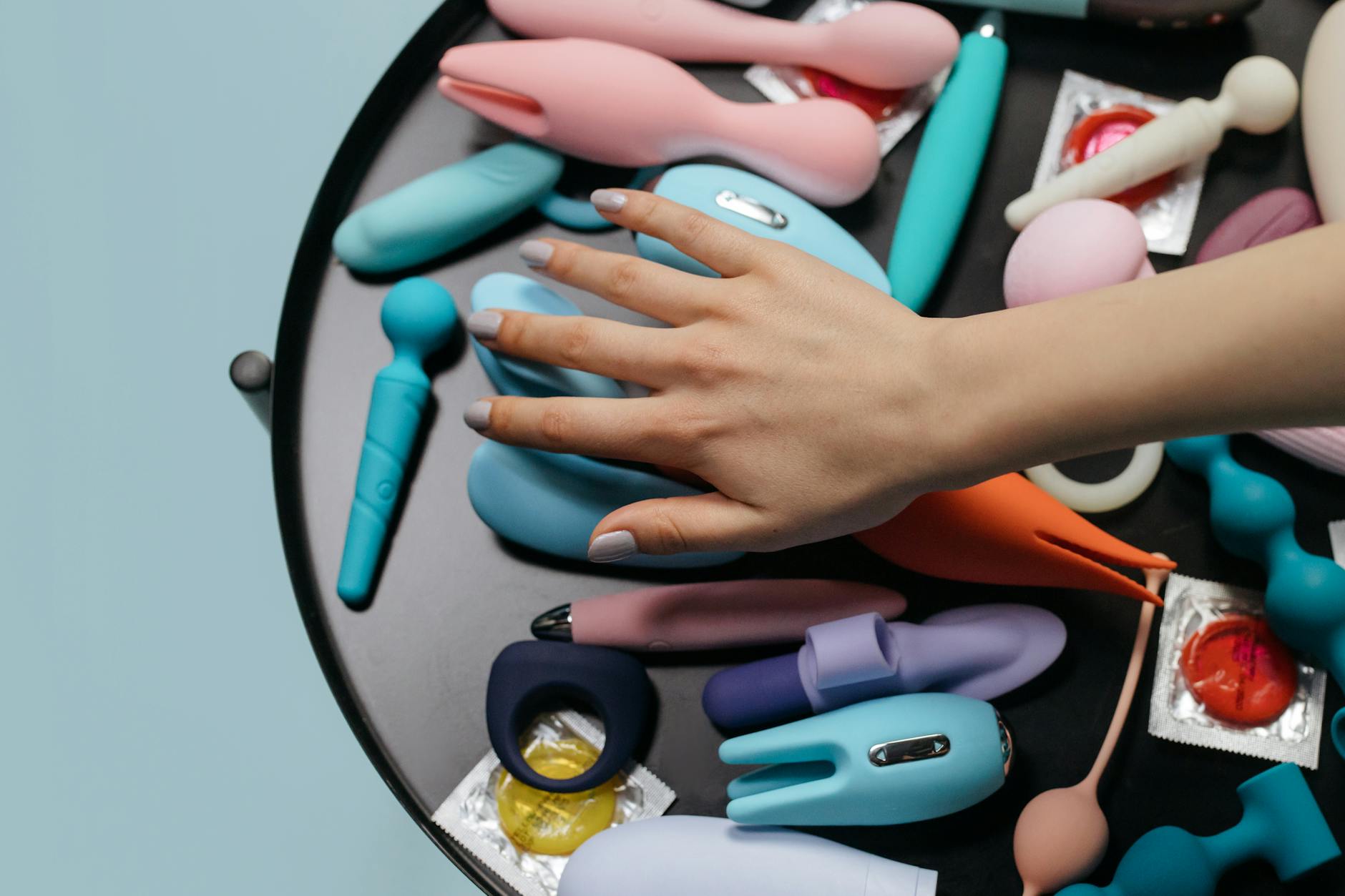
Photo by cottonbro studio on Pexels
Why lemon vibrators win for restarts
Compare this to a bullet vibrator or traditional vibrator. Those require you to already be somewhat aroused for the sensation to register clearly. They also use direct friction, which can feel intense or even numb-inducing if your tissue is less responsive. A lemon vibrator's suction mechanism is gentler. It also works differently enough that it bypasses some of the old, quiet neural pathways and creates new ones. Your body isn't trying to remember how to respond to the same old stimulus. It's learning a new type of stimulation.
Lemon clitoral vibrators also have a psychological edge. They feel different enough from traditional vibrators that they give you permission to be a beginner again. You're not trying to recapture what you used to feel. You're discovering something new. That distinction alone can quiet a lot of internal resistance.
Troubleshooting what actually comes up
You might feel numbness or very little sensation in the first few sessions. That's normal. Keep going. It usually takes three to five sessions for your nerve endings to wake up.
You might feel psychological resistance or sadness during or after sessions. Especially if the break was tied to a relationship ending, grief, or trauma. That's your nervous system processing. It doesn't mean you should stop. It means you should proceed gently and maybe talk to a therapist about what's coming up. Pleasure and grief can coexist.
You might climax unexpectedly on your first try, or it might take weeks. Both are completely normal. There's no timeline for this restart.
If pain appears, stop. Genitourinary syndrome (GSM) is real and usually responds well to topical estrogen creams. How to Use a Lemon Vibrator During Painful Sex and Pelvic Tension covers this in detail.
With a partner or solo
If you're restarting alone, you have freedom that partnered restarts don't. You can go at your own pace, explore without pressure, and rebuild confidence without having to manage someone else's expectations or emotions.
If you're restarting with a partner, the dynamic is different. How to Use a Lemon Vibrator When Reconnecting With Your Partner After Time Apart covers the partnership angle specifically. The short version: start solo first. Get comfortable. Then invite your partner into the conversation, not the bedroom. "I'm working on reconnecting with my body" is different from "Want to have sex?" One rebuilds emotional safety. The other asks your partner to perform.
The permission you actually need
Your body hasn't forgotten how to feel pleasure. Your clitoris is still wired for sensation. Your capacity for orgasm is still there. What you need isn't a better vibrator or a longer timeline. You need permission to be exactly where you are right now. Permission to go slow. Permission to feel awkward. Permission to build this back without shame.
That's what a lemon vibrator can give you. Not as a magic solution, but as a tool that meets your body where it actually is instead of where you think it should be.
FAQ
How long does it usually take to restart sensation after being away from sex for years?
Sensation often starts returning within the first few sessions. Full responsiveness usually builds over two to eight weeks, depending on how long you were away and what caused the break. Some people report that their first orgasm back happens within three weeks. Others take three months. There's no standard timeline. Your nervous system will tell you what it needs.
Can I use a regular vibrator instead of a lemon clitoral vibrator for this?
You can, but lemon vibrators are gentler on tissue that's less responsive. They also create a different sensory experience, which can feel psychologically less like "trying to get back to normal" and more like "exploring something new." That permission to be a beginner again often matters more than the tool itself. That said, if you already have a vibrator you love, it's not wrong to start there.
Is it normal to feel emotional or sad when restarting?
Completely normal. Pleasure is wired to your whole nervous system, not just your genitals. If your absence from sex was tied to grief, trauma, or relationship pain, your body will process those feelings alongside the physical sensation. Emotions during or after sessions aren't a sign you should stop. They're a sign you're waking up. A therapist can help you hold that while you restart.
What if I don't feel anything the first time I use a lemon vibrator?
Numbness in the first one to five sessions is normal, especially after a long break. Your nerve endings are quiet. Keep the sessions short, use low intensity, and be patient. Sensation typically wakes up gradually. If numbness persists beyond five or six sessions, How to Use a Lemon Vibrator for Clitoral Numbness and Reduced Sensation has more specific strategies.
Should I tell my partner I'm using a vibrator to restart, or keep it private?
That depends on your relationship agreement and your comfort level. Solo exploration is totally valid on its own. It's also a way to rebuild confidence before bringing a partner in. If you want to share, "I'm working on reconnecting with my body and I'm using this tool to help" opens a conversation instead of creating secrecy. Your partner's response will tell you whether you're in a safe relationship for this conversation.
Can a lemon vibrator help if I'm nervous about sex after being away for a long time?
Yes. Because lemon vibrators feel different from conventional vibrators and don't rely on your body being highly aroused to work, they bypass some of the anxiety around "performing" arousal. You're not trying to feel a certain way. You're just exploring sensation. That removes a lot of the pressure that makes nervousness worse.
You're not behind
Restarting isn't starting over. Your body remembers pleasure, even if it feels dormant. A lemon vibrator is a compassionate tool for waking that memory back up. Be patient with yourself. Your nervous system is just learning that touch is safe again. That takes time, but it works.