The reentry problem nobody talks about
Let's be real. When you haven't been intimate with a partner for months, a year, or longer, the gap isn't just physical. It's psychological. Your nervous system has rewired. You've both become accustomed to operating solo. The idea of touching each other again feels less like desire and more like standing at the edge of something you used to know but can't quite remember how to enter.
That's not a sign of failure. It's just what happens when life (illness, distance, grief, kids, work chaos) interrupts the rhythm you built together.
Why the return is harder than the beginning
When you first got together, you didn't have a recorded history of what you used to do. You were both building something new. Now you're trying to recreate something you remember imperfectly, which means you're carrying expectations that might not fit anymore. Your bodies have changed. Your preferences have shifted. What felt natural five years ago might feel awkward now.
And the stakes feel higher because you already know what it's like to be close, which makes the current distance feel like a choice rather than a circumstance.
Here's what I see happen in my practice: couples try to leap back to where they were. They set up a "romantic night," both nervous, both performing, both holding their breath. And when it doesn't feel the way it used to, one or both of you interprets that as "we've lost it" instead of "we're starting over."
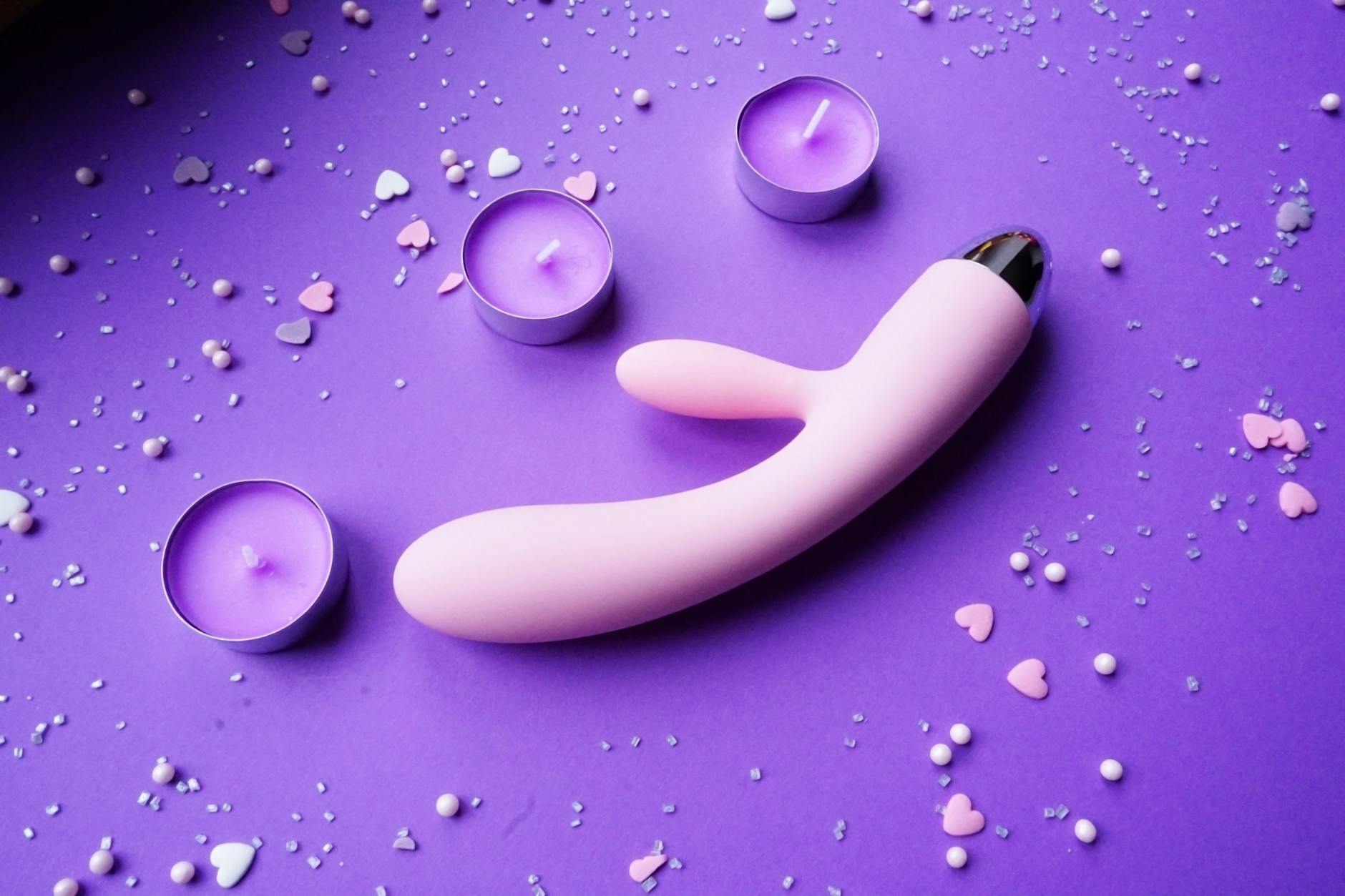
A lemon vibrator changes that equation.
What a lemon vibrator does differently in a reconnection scenario
Unlike traditional vibrators, which focus on intensity, lemon suction toys like the Lem create a gentler, more diffuse sensation. That matters when you're rebuilding because it shifts the experience from performance back to exploration.
Here's why this specific tool helps reconnecting couples:
1. It removes pressure from your partner to "perform." If you're using a lemon vibrator, your partner isn't trying to be the only source of your pleasure. That alone dissolves half the nervousness in the room. You're not waiting for them to do the thing they used to do perfectly. You're inviting them into something collaborative.
2. It slows everything down. Lemon vibrators don't build arousal in minutes. They build it gradually, which gives you both time to remember what comfort feels like, what trust feels like, what it means to be present with someone without rushing toward an endpoint.
3. It creates psychological distance from "performance mode." A lemon clitoral vibrator feels like an object between you and the pressure to be a certain way. It's easier to breathe when you're not being watched as the main source of pleasure.
How to actually start the conversation
Don't ask permission. Propose curiosity instead.
"I've been thinking about us getting closer again, and I found something that might make it less weird. Want to try it together?" That's it. No preamble about what you've been reading or why you're nervous. No apologies. Just an invitation to something new that happens to involve a tool neither of you has a loaded history with.
The point is that a lemon vibrator isn't attached to your old rhythm. Your partner doesn't have memories of "the way you used to use that." It's genuinely new for both of you, which resets the playing field.
The first session: what actually happens
Sit together. Clothes on, lights at whatever level feels good. Start with touch that isn't sexual. Hands, shoulders, hair. Reconnect your nervous systems to the fact that you're safe with this person.
Then, when it feels natural (and only then), introduce the lemon vibrator. Start on the lowest setting. One of you explores how it feels while the other watches, or you take turns. The point isn't orgasm. The point is curiosity.
Let me be specific about what I mean: if you're using it together, your partner can hold it. They can move it. You can guide their hand. You're giving them a role that isn't "perform for me" but rather "explore with me." That distinction rewires the entire dynamic.
If your partner is hesitant about touching you with a lemon sexual toy, that's useful information. It means you need more time with non-sexual reconnection before you add tools. There's no shame in that. Push too fast and you'll both retreat further.
Managing the weirdness that will happen
It will feel strange at first. Your body will be tense because you're self-conscious. Your mind will wander to logistics (the kids upstairs, the laundry, whether the door is locked). Your partner might feel awkward holding a vibrator. These are all completely normal.
Here's what helps: low expectations and humor. If it doesn't go anywhere sexually, that's fine. You've still rebuilt touch. You've still shown up. You've still reminded each other that you're interested.
Many couples I work with report that the first time using a lemon vibrator together feels more like collaboration than any sexual experience they've had in years. The tool gives you permission to be clumsy, to laugh, to pause, to try something else.
The second and third time matter more than the first
Don't judge the entire experiment by how session one goes. Reconnection isn't a single event. It's a series of small gestures that gradually rebuild safety and desire.
The second time, you'll be less nervous. You'll remember what the sensation felt like. Your partner will feel less like they're performing a rescue mission. By the third time, something shifts. You're no longer "trying to get back what we had." You're actually building something new that includes the history of what you had, plus this new thing.
That's the goal. Not recreating the past. Building a bridge from it.
Why lemon vibrators specifically for this situation
When you're reconnecting, you need a tool that doesn't demand intensity. You need something that invites gentleness. Lemon clitoral vibrators create sensation through suction rather than vibration, which means the experience is less about "going hard" and more about "staying present." That's exactly the frequency couples need when they're rebuilding.
You also need something that feels different enough that it doesn't trigger comparison to what you "used to do." A new lemon adult toy accomplishes that naturally. It's not a recreation of what you had. It's a new language you're learning together.
What to do if your partner is still hesitant
Some partners carry shame or anxiety about sexual tools. They might see it as a sign that something's wrong with them, or they might worry it means you're less attracted to them. Neither is true, but the worry is real.
Instead of defending the vibrator, focus on what you want: "I want us to be close again. I know it's awkward right now. This might help us both relax." You're not selling the tool. You're inviting partnership.
If they're still not ready, don't force it. Pressure is the opposite of reconnection. But keep the door open. "This is here whenever you want to try." Then focus on rebuilding intimacy in other ways: longer hugs, hand holding, sleeping skin to skin. The lemon vibrator isn't the only path. It's just a really effective one.
After the reconnection: what changes
Once you've used a lemon vibrator together, you've both crossed a threshold. You've admitted that you're interested in making this work. You've been vulnerable in the same room. You've remembered that your partner's pleasure matters to you. Those shifts don't erase the time apart, but they do change what the time apart means.
Many couples I work with find that the reentry phase lasts about six to eight weeks. During that time, the lemon vibrator becomes a regular part of how they reconnect. It's not always central. Sometimes it's just there as an option. But knowing it exists changes the tone of the entire experience. You're not fumbling. You're experimenting.
From there, you rebuild the rest: spontaneous touch, longer sessions, trying different settings, eventually finding your rhythm again. The vibrator was the doorway. What happens next is up to you both.
FAQ: Reconnecting with your partner using lemon vibrators
What if we both feel too nervous to start?
Start without the vibrator first. Spend two or three weeks rebuilding non-sexual touch. Hold hands while watching TV. Massage each other's shoulders. Sleep tangled up. Once your nervous systems remember that touch is safe, introducing a tool feels less huge.
Can I use a lemon vibrator alone before trying it with my partner?
Absolutely. In fact, I often recommend it. When you've used a lemon vibrator solo, you know what it feels like. You can describe the sensation without awkwardness. You can show your partner where it feels best. You remove some of the mystery, which helps them feel less anxious about the whole thing.
What if my partner wants to use it but I'm nervous?
Your nervousness makes sense. You've been apart. You might worry about your body, about whether you'll feel desire, about whether this is the right step. Tell your partner that. Ask them to go slow. Ask them to check in. You don't have to leap into anything. You can spend an entire session just holding the vibrator and talking. The tool is there. The pressure isn't.
How often should we use it while reconnecting?
There's no rule. Some couples use a lemon vibrator twice a week during the reentry phase. Some use it once a week. Some use it sporadically. What matters is that you're both choosing it, not that you're following a schedule. If it starts to feel like an obligation, step back.
What if it brings up emotions like grief or anger about the time we spent apart?
That's actually really common and also okay. Reconnection isn't just about pleasure. It's about processing the gap. If emotions come up, pause. Hold each other. Cry if you need to. These feelings are part of rebuilding trust. Don't bypass them by pushing toward arousal.
Is a lemon vibrator the same as what's called a lemon sucker or lemon sexual toy?
Yes. "Lemon vibrator," "lemon suction toy," and "lemon clitoral vibrator" all refer to the same category of toy. The mechanism is suction rather than vibration, which is why it feels different from traditional vibrators and why it's so useful for reconnecting couples. The sensation is gentler and more sustainable, which helps you both stay present instead of chasing intensity.
Moving forward
Reconnecting after time apart is hard. Your bodies have to relearn each other. Your psyches have to rebuild trust. Your nervous systems have to remember that being vulnerable with this person is safe. A lemon vibrator can't do that work for you. But it can create the conditions where the work feels less terrifying, less performative, and more like the collaborative thing it actually is.
If you're ready to start rebuilding, you don't need permission. You don't need the "perfect moment." You just need to show up, be honest about being nervous, and invite your partner into something new. That's how reconnection actually works.