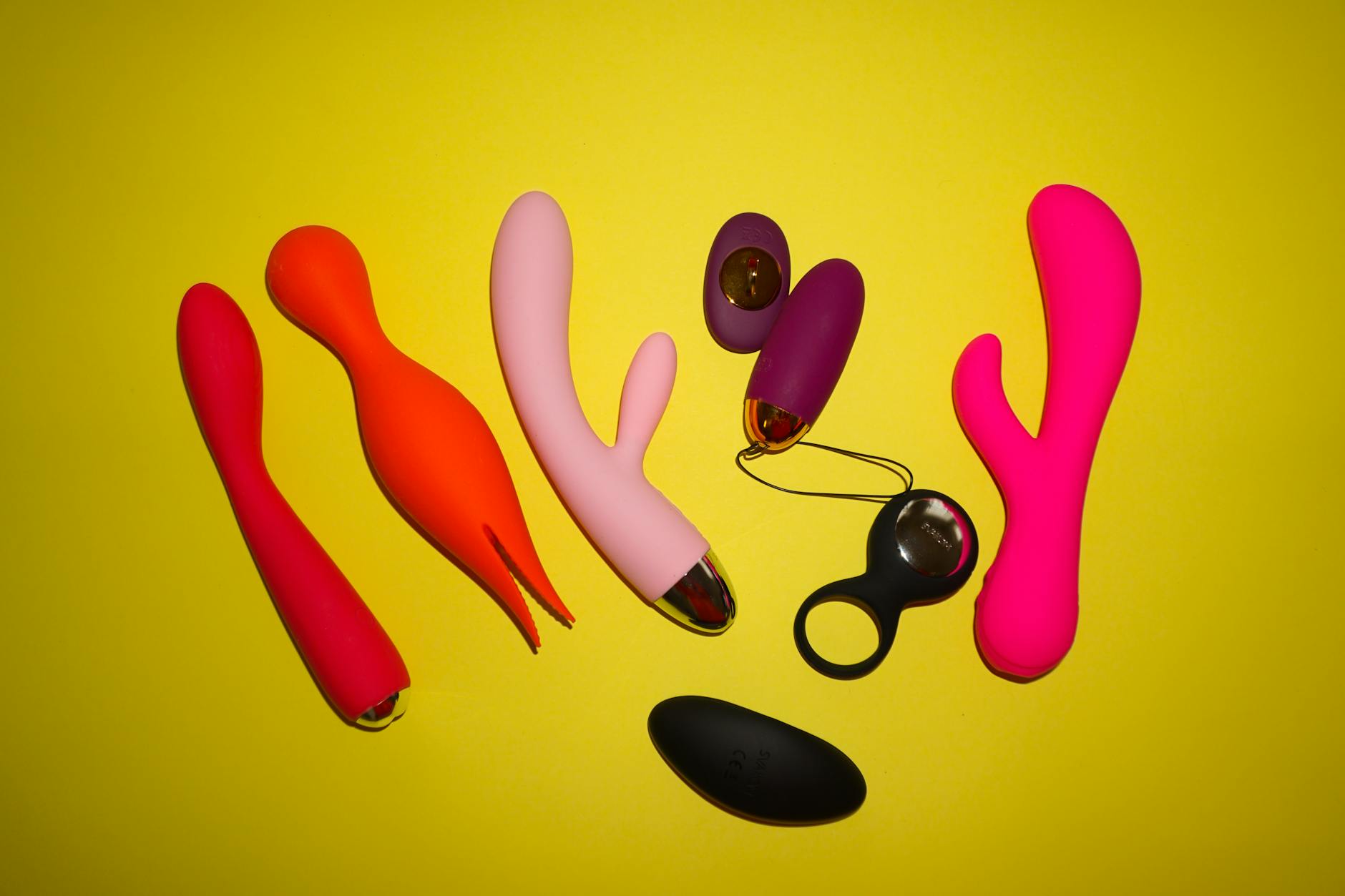
How Lemon Vibrators Help When Pain During Sex Makes You Avoid Intimacy
Let's be honest. When sex hurts, you stop wanting it. Not because you've lost desire forever, but because your body has learned that intimacy equals pain, and your nervous system isn't wrong to pull back.
The problem is that avoidance creates a spiral. You avoid sex. Your partner feels rejected. Your pelvic floor gets tighter from tension and anxiety. The next time you try, it hurts more. By month three or six, you're not just avoiding sex. You're avoiding your partner, conversations about sex, and any reminder that this part of your life exists.
I work with couples stuck in this pattern weekly. Here's what actually helps: not pushing through pain, not ignoring it, and not accepting it as permanent. Instead, rebuilding arousal in a way that feels safe. That's where lemon clitoral vibrators change the conversation entirely.
Why pain during sex hijacks your desire
Your nervous system doesn't care about reasons. It doesn't matter if the pain is from endometriosis, pelvic floor tension, scar tissue, or something your gynecologist can't quite name. If sex has hurt, your brain has filed it under "threat." Threat triggers the freeze response, which feels like absent desire.
This isn't low libido. It's survival.
When you're stuck in this freeze state, traditional foreplay often backfires. A partner touching you the way they used to feels like the setup for pain, not pleasure. You tense up before anything even happens. And that tension, ironically, makes pain worse next time.
The cycle is:
Pain happens. Anticipatory anxiety builds. Pelvic floor muscles clench involuntarily. Tension increases pain. Avoidance feels safer than trying again.
Breaking that cycle requires something completely different from what you've been doing.
How lemon vibrators work differently when pain is in the picture
Here's the mechanical reality: lemon suction vibrators like the Lem operate through gentle suction and pulsing patterns rather than direct friction or intense vibration. That matters enormously when your tissues are sensitive or when you're carrying pelvic tension.
Unlike traditional vibrators that rely on speed and direct pressure, the suction mechanism on a lemon clitoral vibrator creates a gentle pulling sensation that stimulates without the mechanical friction that can trigger pain or further tension.
Moreover, the low settings on most lemon adult toys are genuinely low. You're starting at 1 or 2 out of 10, not at the baseline intensity of a standard bullet vibrator. That means you can rebuild arousal incrementally, without the jolt that makes your nervous system flinch.
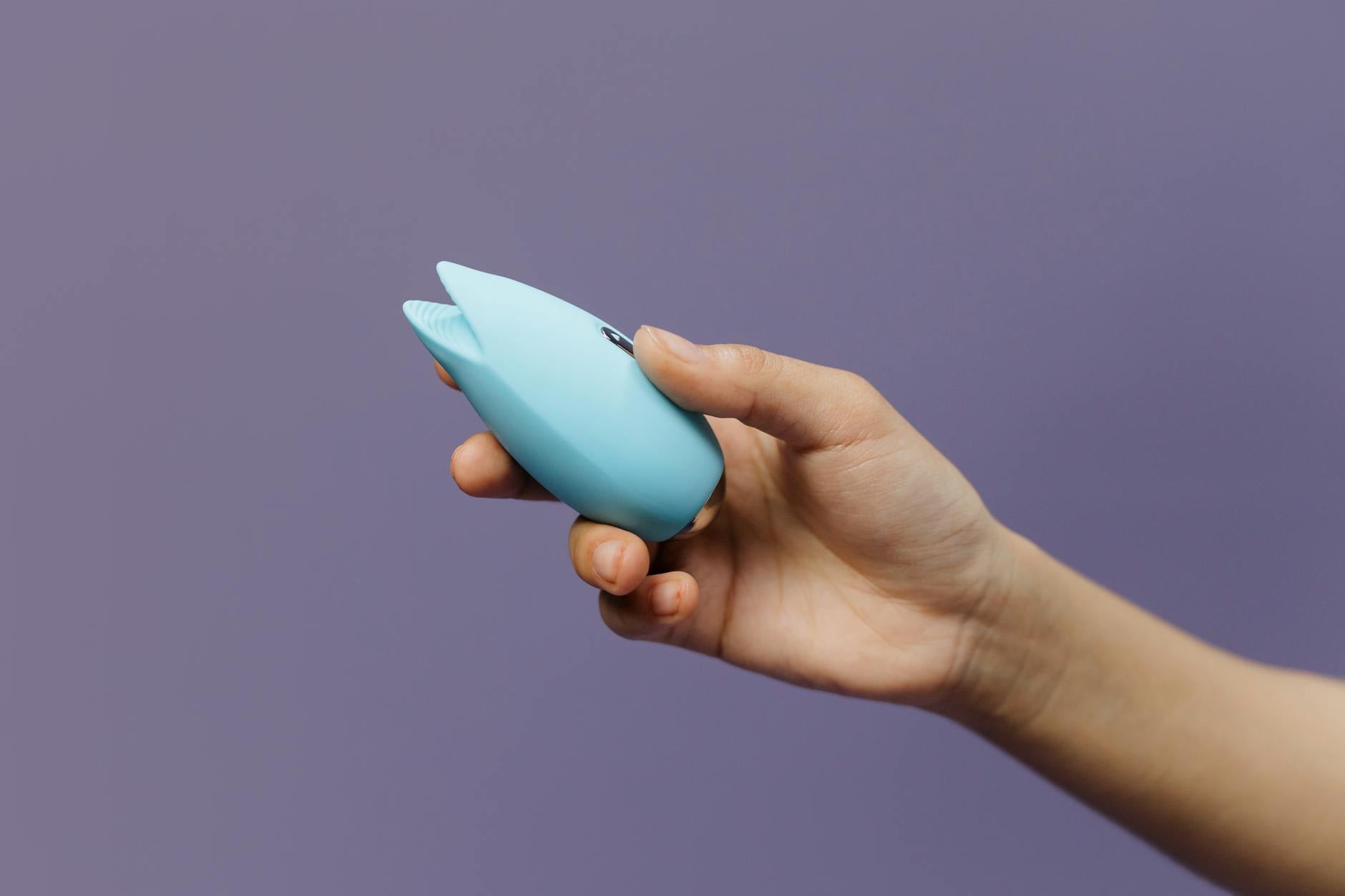
Photo by cottonbro studio on Pexels
Rebuilding arousal solo first is not avoidance
Here's where I diverge from a lot of advice you'll read. When pain has made you avoid sex, the worst place to rebuild arousal is with a partner. Not because your partner is the problem, but because their presence adds performance pressure and fear.
Solo exploration with a lemon vibrator removes that. You're not trying to be aroused for someone else. You're not worrying whether you're "taking too long." You're not bracing for pain. You're just... exploring what feels okay.
Start with the toy off. Get to know the shape, weight, and silicone feel against your skin. No rush. Then, when you're ready, turn it on at the absolute lowest setting. If it feels intense, sit with it for 30 seconds. Your nervous system will regulate. Then decide if you want to continue or dial it back.
This might sound glacially slow. It is. And that slowness is the entire point. You're teaching your nervous system that clitoral stimulation doesn't have to mean pain.
The role of pattern variety in rebuilding trust with your body
One unexpected advantage of a lemon suction toy: the pulsing patterns. Most offer 5-12 different rhythms, from steady to wave-like to rapid pulses.
Why this matters: if you've associated one specific type of sensation with pain, pattern variety breaks that association. You can explore what actually feels good right now, which might be different from what you thought you liked before.
I often recommend starting with the slowest wave pattern rather than steady suction. The variety seems to help your nervous system stay engaged rather than falling into anticipatory tension.
Lubricant is not optional, it's foundational
When pain has been part of your history, your arousal response may be genuinely dampened. That's not a failure. That's your body protecting itself.
Use a water-based lubricant every single time, even if you produce natural lubrication. The added layer reduces friction, decreases pressure, and makes every sensation feel gentler. This isn't resignation. It's removing obstacles so your body can actually relax.
Apply it generously. Reapply if it dries out. There's no shame in this, and it's not "making up" for anything.
Pelvic floor awareness without the dogma
Every resource you'll find will tell you to do Kegels. Most pain during sex actually involves pelvic floor hypertonicity, which means your pelvic floor muscles are too tight, not too weak.
Kegels can make this worse.
Before you even think about strengthening, learn to release. Here's a practical way: when you're using a lemon vibrator solo, notice when your pelvic floor tightens (usually around the entrance to the vagina). When you feel that clench, deliberately release it. Breathe out. Let everything relax.
Do this in short sessions. Five minutes of actual pelvic floor awareness beats 20 minutes of forcing yourself through tension.
What you might feel differently (and why)
One client described it as "pleasure without the dread." Another said it felt like remembering that arousal was supposed to be enjoyable, not a negotiation.
You might notice that it takes longer to build arousal than before. That's normal and temporary. Your nervous system is recalibrating. Pushing it to go faster will only reset the clock.
You might also notice that orgasm feels different or doesn't happen at all initially. That's also normal. The goal right now isn't climax. It's sensation without pain. Everything else follows.
Bringing your partner back into the picture, carefully
Once you've rebuilt some solo confidence, the next phase is telling your partner what you've learned about your body. Not "let me show you," not immediately. Just information: "I discovered that slow suction patterns feel good. Friction doesn't. Pressure makes me tense."
Then, if you want, you might use your lemon vibrator together. Your partner isn't doing anything. They're watching and learning. This removes the performance pressure on both sides.
Only when you've both rebuilt some trust and your nervous system has genuinely rewired should you consider returning to partner penetration. And even then, referring to lemon vibrators when tissue changes affect sensation can help you understand what your body needs right now.
When to get professional support
If pain during sex has been happening for more than a few months, see a pelvic floor physical therapist. Not a massage therapist. Not a wellness coach. A PT who specializes in pelvic dysfunction.
They can assess whether there's actual scar tissue, identify where your pelvic floor is holding tension, and give you exercises specific to your body.
The combination of pelvic floor PT plus rebuilding arousal with a lemon vibrator is wildly effective. One addresses the physical restriction. The other addresses the nervous system's fear response.
The bigger picture: pain isn't a life sentence
There's a moment in my sessions when couples stop talking about "getting back to normal" and start talking about "building something better." That shift is everything.
Pain during sex can actually become a pivot point in your relationship. The forced slowness, the attention to what actually feels good, the honest conversations about bodies and desire. These things often lead to deeper intimacy than what existed before.
A lemon clitoral vibrator is just a tool. But it's a tool that lets you take control of the rebuilding process without shame or pressure. And that matters more than you might think.
People also ask
Can a lemon vibrator help if penetration still hurts?
Yes. Focusing on clitoral pleasure through a lemon suction toy bypasses penetration entirely. You rebuild arousal and nervous system trust without triggering the pain response. Once your body feels safer, penetration becomes optional rather than mandatory, and many people find that reduces the pressure that was making pain worse.
How long before pain-related avoidance goes away?
Every body is different, but most people report noticing a shift within 3-4 weeks of consistent solo exploration with a lemon vibrator. Full rewiring of the nervous system takes longer, usually 2-3 months. The key is consistency and patience, not intensity.
Should I tell my partner I'm using a lemon vibrator to manage pain?
If you want to eventually rebuild partnered intimacy, yes. But timing matters. Get comfortable solo first. Then share what you've learned about your body. Frame it as information, not criticism: "This pattern feels good to me right now" rather than "You were doing it wrong."
What if a lemon vibrator feels too intense even on the lowest setting?
Start with it off. Use it as a tool for touch and texture before adding vibration. Some people benefit from putting a thin barrier (like a thin cotton cloth) between the toy and their skin to reduce intensity further. You can also try turning it on, then immediately turning it off and sitting with the sensation for a few seconds before trying again.
Can pain during sex ever completely resolve?
Yes, but not through willpower or ignoring it. It resolves through addressing the physical cause (pelvic floor tension, scar tissue, medical conditions), rebuilding nervous system trust through gradual reintroduction of pleasure, and often, partnered support. A lemon vibrator is part of that toolkit, not the whole thing.
How do I know if my pain is physical or psychological?
That's a false binary. Pain is always both. There's a physical sensation and a nervous system response to it. A pelvic floor PT can help identify structural issues. A therapist can help with the anxiety layer. A lemon vibrator gives you a safe way to explore sensation. All three together create change.
If you're stuck in the pain-avoidance cycle, you don't need to white-knuckle through it or accept that this part of your life is over. You need a different approach. One that respects your body's wisdom and gradually rebuilds what pain interrupted. That's where lemon sexual toys shift the entire conversation from "how do I push through" to "what actually feels good." Start there.