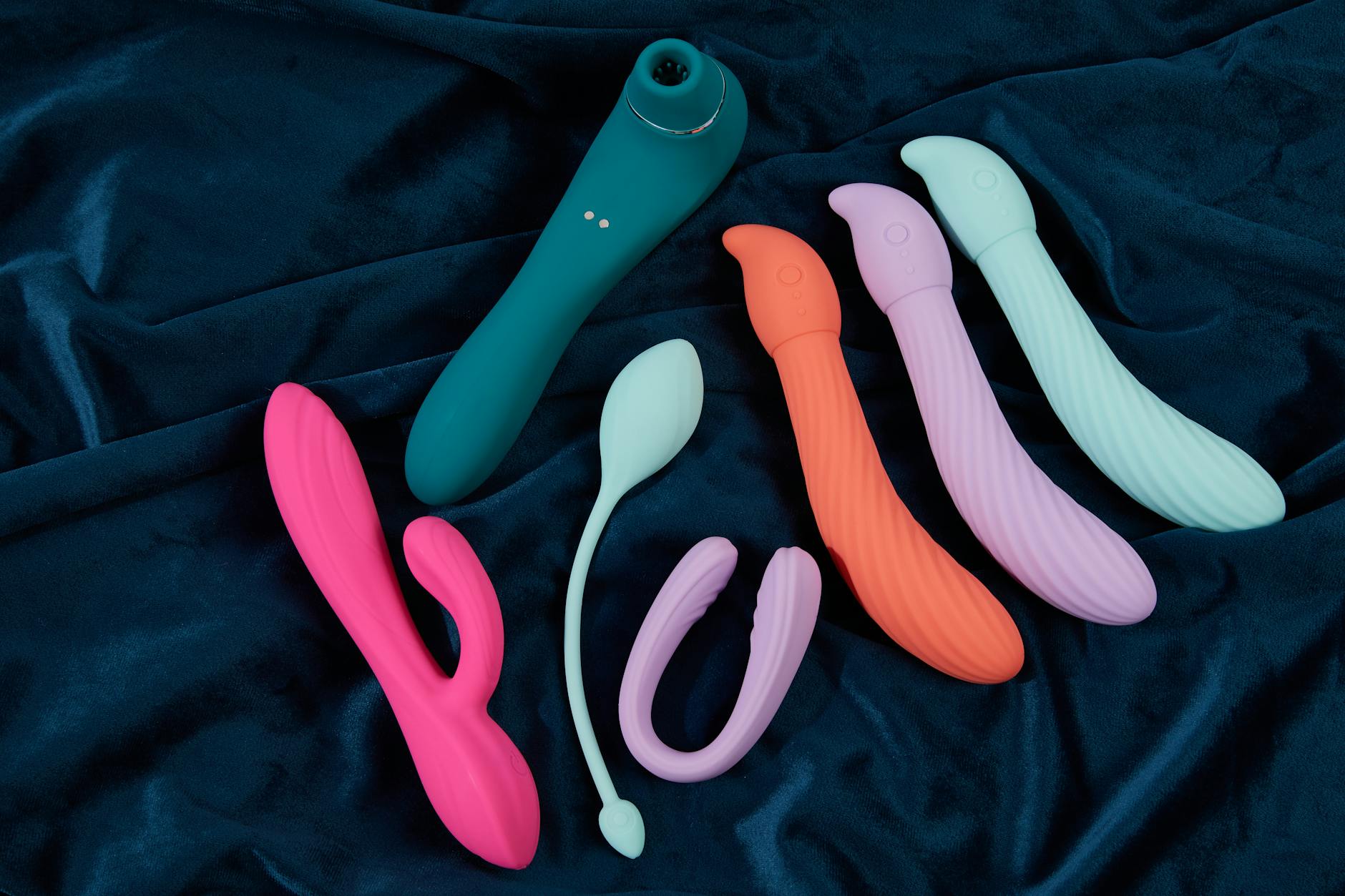
Let's start with the thing nobody prepares you for
Your tissue changes. Not all at once, not always predictably, but it happens. Vulvar tissue thins. Skin loses elasticity. Nerve density shifts. The clitoris itself can retract slightly as collagen breaks down. And here's the part they forget to mention in sex ed: it doesn't mean your pleasure ends. It means you need to recalibrate.
I work with people across their entire adult lives, and I've watched this transition happen hundreds of times. What I hear most often is not "I can't feel anything anymore." It's "I feel things differently, and I don't know if that's normal or if I'm broken." The answer is always: you're not broken. You're experiencing tissue changes, and that's exactly when the right tool makes the difference.
Why tissue changes actually reduce direct sensation
Let me walk through what's happening biologically so you can stop guessing.
The vulva is covered in specialized nerve endings. When tissue is plump and well-vascularized (filled with blood and oxygen), those nerves fire crisply. They're close to the surface. Traditional vibrators rely on direct friction and rapid vibration to activate those nerves. But as tissue thins, two things happen: the nerves sit deeper, and direct friction can feel sharp or uncomfortable instead of pleasurable. A bullet vibrator, which works through sheer speed and direct pressure, becomes less effective. Worse, it can feel abrasive.
This is why so many people assume they've lost sensation when really they've just lost compatibility with the wrong tool.
Estrogen plays a major role here. Whether you're experiencing natural aging, perimenopause, postmenopause, or changes from medication, lower estrogen means thinner tissue. Testosterone shifts (yes, the hormone everyone forgets people with ovaries produce) change how quickly arousal builds and how intense it feels. These aren't failures. They're shifts. And they're exactly what a lemon vibrator was designed to navigate.
Why suction works better when tissue is changing
Here's the mechanism that changes everything.
A lemon clitoral vibrator uses air-pulse technology. Instead of vibrating against tissue, it creates rhythmic suction and release. This stimulates nerves that sit deeper in the clitoral body, bypassing the need for direct friction on delicate surface tissue. For people experiencing tissue thinning, reduced elasticity, or general sensation changes, this is transformative. You're not relying on friction. You're using pressure and negative space.
In clinical terms, we call this "indirect stimulation." In practical terms, it feels like your clitoris is being gently massaged from underneath, which is exactly what's happening. The clitoris is a 9-centimeter structure that extends internally. Most people only know the visible part. When tissue changes make the external part less sensitive, suction activates the internal neural pathways that don't age the same way. You're going deeper into your own anatomy.
I've had clients tell me their most powerful orgasms came after switching to suction technology. Not because sensation suddenly returned, but because the stimulation method finally matched their body's current reality.
Starting with pattern and intensity recalibration
Here's where most people go wrong: they use the same settings they used five years ago.
If you're experiencing tissue changes, reset your baseline. Start on pattern 1. Not because you've become less sensitive, but because thinner tissue needs time to warm up. The first 3-4 minutes of gentle suction are not wasted time. They're preparatory. Blood rushes to the area. Tissue plumps slightly. Arousal builds.
Unlike a vibrator, where you might jump straight to intensity 5, lemon clitoral vibrators reward patience. Spend 5-7 minutes on pattern 1. Notice what happens. Move to pattern 2. There's often a sweet spot around patterns 2-3 that feels dramatically different from where you were three years ago. Your job is to find it, not to recreate the past.
The best part: once you find your pattern, stick with it for a week or two. Your nervous system learns. Sensation often improves simply because your body remembers how to respond to this type of stimulation.
Lubrication becomes your secret tool
Water-based lube is not a backup plan. It's a primary tool.
Tissue changes mean less natural lubrication in many cases. Silicone lubes feel richer but can damage silicone toys, so stick with water-based. But here's what makes lube so powerful with suction technology: it creates a better seal. Better seal means more effective suction. Better suction means deeper nerve activation. You're not adding lube because you're "dry." You're adding it because it amplifies the entire mechanism.
Apply a dime-sized amount to the opening of the device, not to your body. This gives you better control and prevents excess liquid interrupting the seal. Reapply every 5-10 minutes if needed. And here's something unexpected: many people find that using lube consistently actually increases natural lubrication over time. Your body adapts to the signal you're sending it.
The warm-up principle that nobody talks about
Tissue changes mean arousal takes longer to build. This is not a problem. It's information.
Budget 10-15 minutes minimum before you even touch a device. This might mean external stimulation only. Touching yourself elsewhere. Mental focus. Reading. Whatever gets your blood moving. When tissue is thinner, that warm-up time is what determines whether the experience feels mediocre or extraordinary. You're not rushing to the destination. You're preparing the landscape.
Many of my clients find that once they accept the longer warm-up, the orgasm itself becomes more nuanced. Not necessarily stronger, but more textured. More interesting. People often mistake "different" for "worse" and miss the actual shift in quality.
When to use the lemon sucker solo vs. partnered
Tissue changes sometimes shift how comfortable you feel being touched directly.
If your vulva feels more tender or sensitive to friction, solo sessions with a lemon vibrator let you control pressure completely. You're not managing another person's rhythm or pressure. You're managing your own response. For many people, this is where they rediscover what feels good without the cognitive load of coordinating with a partner.
If you're using it partnered, communication gets even more important. They need to understand that suction feels different from vibration. It's not "better" or "worse." It's a different entry point to pleasure. Many partners are surprised by how much they enjoy watching the experience unfold. The vulnerability of tissue changes softens something in relationships. Use it.
The sensitivity threshold and finding your range
One concrete question I get constantly: "Am I losing sensation permanently or just right now?"
Neither. You're shifting. Here's how to know if suction is actually working for you: after 2-3 sessions, can you identify a pattern that feels noticeably different from the others? Yes? You have sensation. You've just recalibrated. If after 4-5 sessions nothing feels different at all, you might be dealing with medication side effects, hormonal factors, or nerve changes that need professional evaluation. But that's rare. Most tissue changes respond beautifully to lemon clitoral vibrators because the mechanism is so different from what your body learned to ignore.
Your sensitivity range is not broken. It's redrawn.
Troubleshooting the common friction and pressure issues
Say you've been using a lemon vibrator consistently but you're getting discomfort instead of pleasure. Three things to check.
First: seal. If air is leaking out, you're not getting suction. You're getting vibration against dry tissue. Bad experience. Reposition slightly. Use a bit more lube. Second: starting intensity. Tissue changes can make jumping to patterns 3-4 feel sharp rather than pleasurable. Drop back to pattern 1-2 and build from there. Third: warm-up time. If you skip it and go straight to the device, thinner tissue hasn't prepared. You're starting from zero arousal, which makes everything feel intense rather than good. Extend warm-up by 5 minutes and notice the difference.
None of these are problems with you or with the device. They're mismatches between your current body and your current approach. Fix the approach.
When tissue changes signal something to discuss with a doctor
Tissue changes are normal. Pain is not.
If you experience sharp pain, bleeding, or severe discomfort during or after using a lemon vibrator, that's information worth getting checked out. Genitourinary syndrome (tissue thinning with inflammation) is common and highly treatable. A dermatologist or gynecologist trained in vulvar health can assess whether topical treatments would help. This isn't weakness. It's problem-solving. The goal is pleasure. If tissue changes are creating pain instead, professional input speeds up the solution.
Also worth mentioning: if arousal has completely flatlined alongside tissue changes, talk to someone. It might be physiological. It might be relational. It might be both. A marriage and family coach or therapist can help you untangle whether the issue is tissue or something deeper happening in the relationship or in your own headspace.
The actual truth about sensation and aging
Here's what I wish someone had told me earlier in my career: sensation does not follow a straight line of decline. It transforms.
Yes, tissue thins. Yes, some direct sensitivity fades. But many people report that their most textured, interesting orgasms happen after tissue changes. Because they're not relying on surface sensation anymore. They're accessing deeper structures. They're using devices designed for their actual anatomy instead of forcing their body into a tool meant for someone else.
A lemon vibrator doesn't bypass tissue changes. It accepts them as a starting point and builds from there. That's the entire design philosophy.
FAQ: Your tissue changes and sensation questions answered
How long does it take to adapt to a lemon vibrator when tissue is changing?
Most people notice a shift within 3-4 sessions. But adaptation is not instant. Your nervous system is learning a new stimulus type. Consistency matters more than intensity. Using a lemon clitoral vibrator 2-3 times per week for 3 weeks usually clarifies what's working. You'll have one session where it suddenly clicks, and then you're off.
Can tissue changes reverse if I use lemon vibrators regularly?
Sensation does not "reverse" like rewinding a tape, but it does improve with consistent blood flow and neural activation. When you use a device that stimulates your tissue effectively, blood rushes to the area. Over weeks and months, this can improve lubrication, elasticity, and subjective sensitivity. You're not reversing aging. You're optimizing current tissue quality.
Is it normal to feel numbness even after switching to suction?
Partial numbness after tissue changes is common and usually temporary. But if numbness is total and unshifting, it might signal medication side effects, hormonal factors, or nerve damage worth investigating with a healthcare provider. Before you assume it's permanent, give yourself 2-3 weeks of consistent use. Then reassess.
Should I use a lemon sucker more or less frequently when tissue is thin?
Consistency beats frequency. Using a lemon vibrator 2-3 times weekly is better than once every two weeks. Your nervous system responds to rhythm. Regular use keeps blood flow steady and neural pathways engaged. You're not wearing out sensation. You're building it back up through use.
Can I combine lubrication and warmth for better results with tissue changes?
Yes. Warm water on your vulva (a warm compress for 2-3 minutes before you start) plus water-based lube plus a 10-minute warm-up period creates ideal conditions for tissue to respond. You're signaling to your entire system: "We're doing this now. Show up."
Does a lemon clitoral vibrator feel different than it did before my tissue changed?
Absolutely. The sensation is usually deeper and less surface-intense. Many people describe it as "more internal" or "less sharp." This is exactly right. You're accessing different nerve pathways. Same device, different experience. Once you stop expecting it to feel like it did three years ago, you can actually enjoy what it does feel like now.
The closing piece
Tissue changes are not a countdown timer on pleasure. They're an invitation to get to know your body differently. A lemon vibrator meets you where you actually are, not where you used to be. That's the whole point. You're not fighting biology. You're working with it, intentionally and generously, toward something that feels genuinely good right now.
If you have questions about how to navigate these shifts in your specific situation, reach out. Conversations about pleasure and body changes are exactly what I'm here for.
Get in touch with Hello Nancy if you want to talk through what's happening in your body or your relationship. Sometimes the best clarity comes from a real conversation.