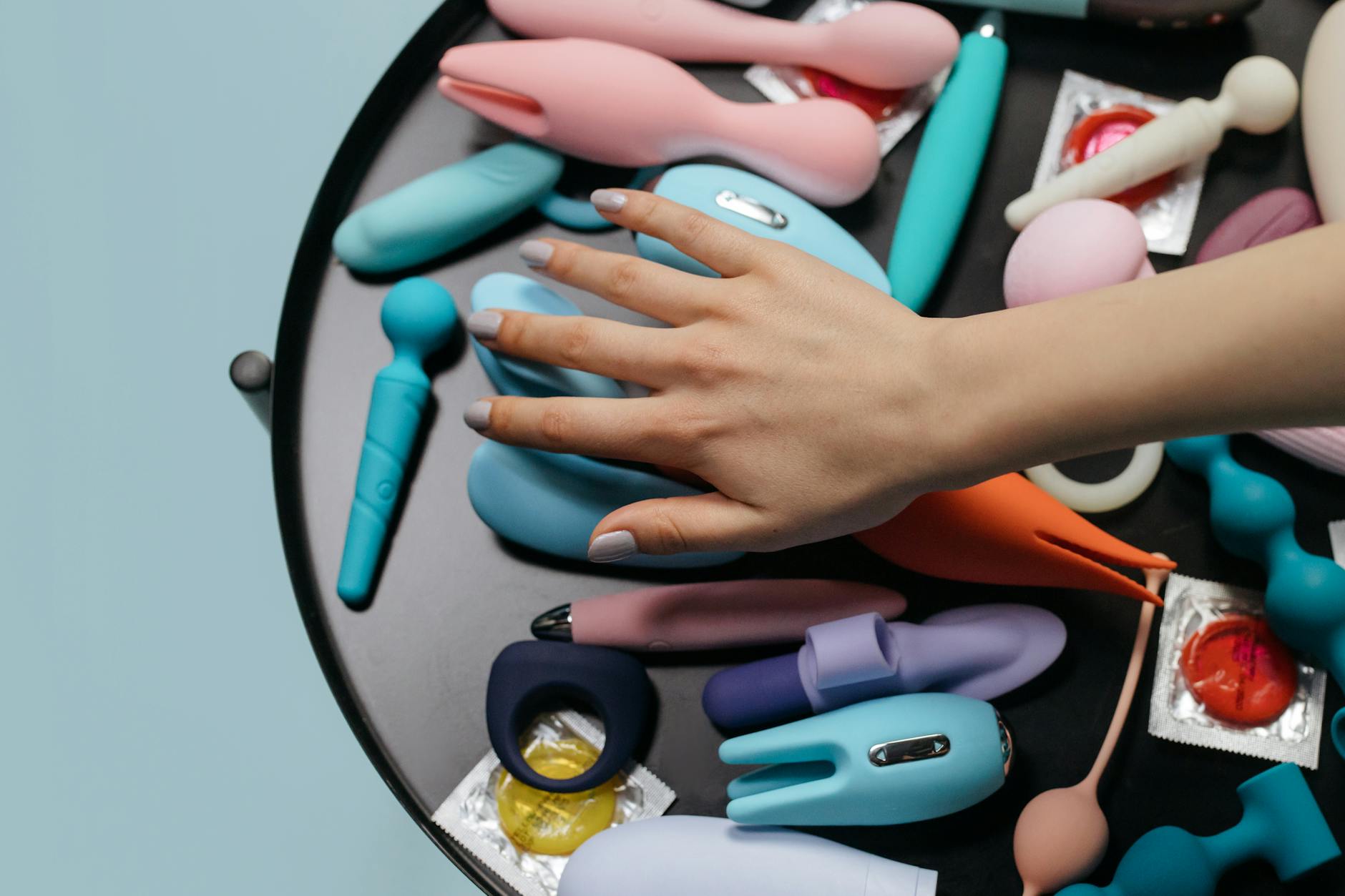
Let's start with the problem
If you've got a sensitive vulva, most vibrators feel like bad news. Standard vibrators work by direct contact and friction. Buzz directly against sensitive tissue long enough, and you get irritation, numbness, or that "too much" feeling that kills everything.
Then there's the clitoral suction thing. You've probably heard about it. And if you haven't tried a lemon vibrator yet, here's why that style of clitoral vibrator changes the game for sensitive bodies.
The science of sensitivity
Your clitoris has roughly 8,000 nerve endings packed into a space the size of a pea. That's not a myth. When tissue is sensitive, those nerves fire faster, more intensely, and sometimes painfully. Standard vibrators treat sensitivity like a volume problem. The fix is usually "use it less" or "on a lower setting." But that's not really the problem.
The problem is friction.
When you use a traditional vibrator on sensitive tissue, you're creating surface-level stimulation with direct mechanical pressure. It feels intense because it is intense. The nerves respond strongly, but the response can tip into overstimulation within minutes. You can't sustain it. You can't build with it.
Air-suction clitoral vibrators work differently. Instead of vibrating against your body, they create a gentle pressure wave that stimulates the entire nerve cluster without harsh friction. Think of it less like tapping and more like the feeling of someone blowing gently on your skin, except controlled and rhythmic.
For sensitive vulvas, that distinction changes everything.
Why lemon vibrators feel different
A lemon clitoral vibrator (also called a lemon sucker or air-suction toy) works by creating micro-pulses of suction and release. The sensation is indirect. It's not pressing into your tissue. It's working around it.
Three things happen because of this design:
1. Lower irritation. No friction means no chafing, no redness, no that-feels-raw feeling after 10 minutes. Sensitive tissue stays comfortable throughout.
2. Longer sessions. Because there's no friction fatigue, you can sustain stimulation for 20, 30, even 45 minutes without numbness or that "okay I'm done" feeling that kills the moment.
3. Different type of orgasm. This matters more than people think. Friction-based vibrators tend to produce sharp, surface-level orgasms. Suction-based stimulation builds deeper, from the internal nerve cluster outward. For many people with sensitive vulvas, it's the difference between "that was okay" and "that was actually good."
What sensitive actually means
Honestly though, sensitivity comes in flavors, and understanding yours matters before you buy anything.
There's physical sensitivity: your tissue itself is tender, easily irritated, prone to micro-tears. Then there's neurological sensitivity: your nerves are just wired to fire faster, so normal stimulation feels intense. Some people have both. Some have one and think they have the other.
If you're physically sensitive (redness, irritation, pain), air-suction technology is genuinely better. The design rules out friction, which is the main culprit.
If you're neurologically sensitive (intensity feels overwhelming), lemon vibrators help because you can sustain lower intensities longer. Most have 5-10 intensity levels. On setting 2 or 3, you get stimulation without the nervous-system overwhelm. On a standard vibrator, those same low settings often feel weak or unsatisfying. With suction, even gentle settings feel purposeful.
Many people find that as their bodies adjust to the gentler sensation, they can gradually increase intensity and actually reach orgasm more reliably. It's counterintuitive, but it works.
Comparison: lemon vibrators vs. traditional vibrators for sensitive skin
Let's be direct about how these stack up:
Lemon (air-suction) vibrators: No friction, gentler on tissue, longer sustainable sessions, indirect stimulation, quieter, learning curve is real (some people need 2-3 sessions to figure out positioning), higher price point usually ($65-$89).
Traditional vibrators: Immediate gratification, straightforward to use, cheaper entry point ($30-$60), friction-based so shorter sessions for sensitive bodies, easier to numb out on, higher irritation risk for sensitive tissue.
For someone with a sensitive vulva, the lemon clitoral vibrator is worth the extra investment and the learning curve. You're paying for a design that actually works with your body instead of against it.
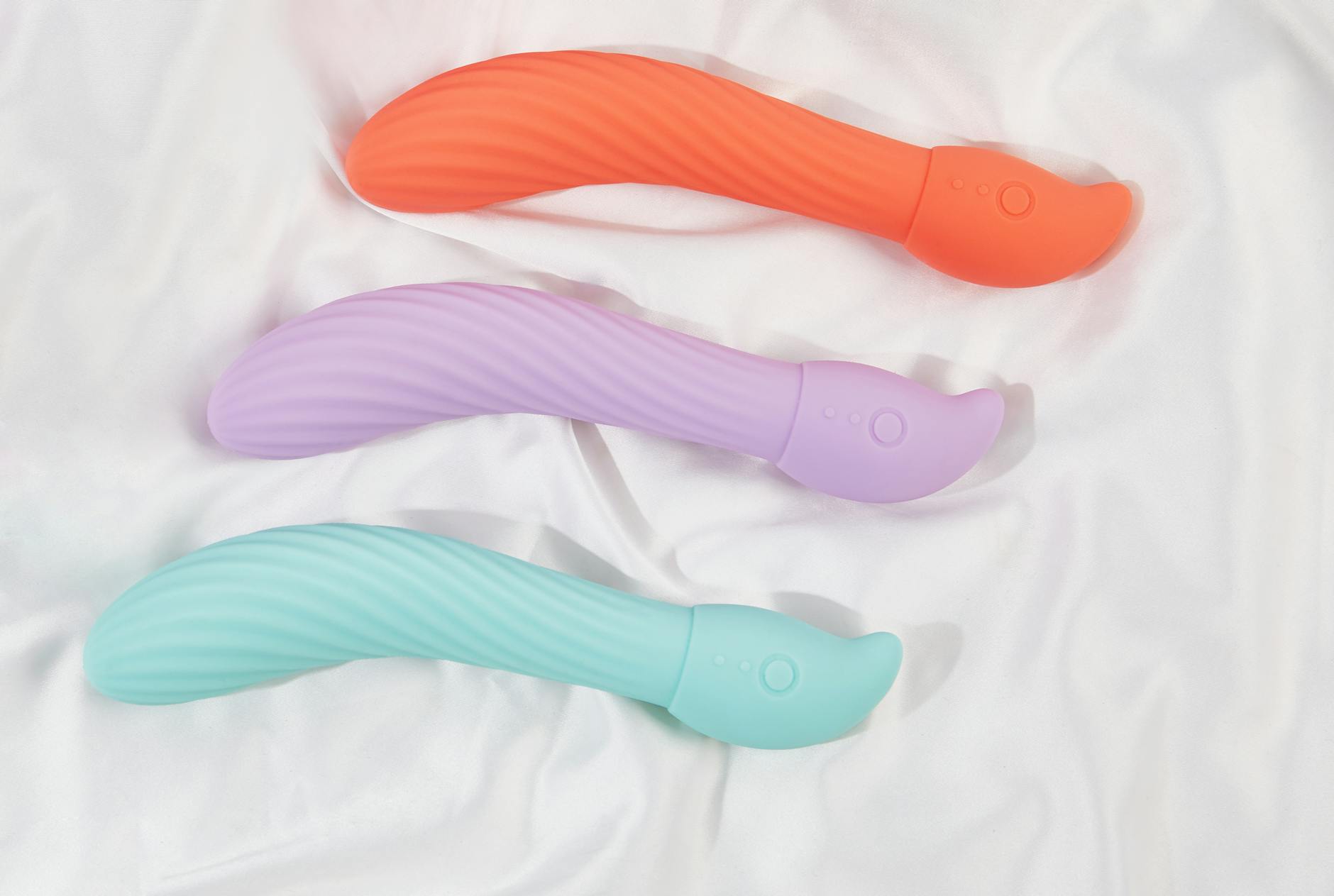
Photo by IFONNX Toys on Pexels
How to actually use one (if you're new to air suction)
This is the part everyone glosses over, and it's why some people try a lemon vibrator and think "that doesn't work for me." Positioning matters wildly.
With a traditional vibrator, you just... apply it. With air-suction tech, you need a seal. Not an airtight one, but close enough that the suction can build. If you're off by half an inch, the sensation disappears entirely.
Here's what helps: wet your vulva a little first (water-based lube is fine, natural lubrication works too). Place the opening directly over your clitoris, not inside or to the side. Start on a low setting and slowly increase until you feel the pull. It should feel like a gentle tugging or pulsing, not uncomfortable or painful.
The suction sensation tends to feel strange the first time. That's normal. Most people need 2-3 sessions before their brain catches up to what's happening. Then it clicks. And then it's hard to go back.
The texture question
Lemon vibrators typically come in silicone. Silicone is body-safe, easy to clean, and lasts forever. One note: if you use silicone-based lube, it can damage silicone toys over time. Stick with water-based lube if you're going this route. It's a minor thing, but it matters for longevity.
When to see a provider
If your sensitivity is accompanied by pain during or after use, or if you've always experienced discomfort and nothing helps, that's worth bringing to a gynecologist. Sometimes sensitivity points to something like vulvodynia or dermatological issues that need actual treatment, not just a different toy.
A lemon vibrator is great for healthy tissue that's just wired for intensity. It's not a substitute for medical care if something deeper is wrong.
FAQ: Your questions about lemon vibrators and sensitivity
Can I use a lemon vibrator if I've never had one before?
Yes, but it helps to know what you're getting into. The suction sensation is genuinely different from traditional vibrators, and it takes a few sessions to feel natural. If you're sensitive, the learning curve is actually an advantage because you're learning at low intensity. Start on the lowest setting and give yourself permission to fiddle with positioning. Three sessions minimum before you decide it's not for you.
Will a lemon vibrator help with numbness if I've been using traditional vibrators too long?
Often, yes. If your tissue has gotten used to friction stimulation, the switch to suction can wake things up again. The indirect stimulation feels novel to your nervous system, which can restore sensitivity over time. Give it a month of regular use before assessing.
Is air suction stimulation actually safer for sensitive vulvas?
Yes. There's no friction, so there's less risk of micro-tears, irritation, or chafing. That said, intensity still matters. You can absolutely use any vibrator in a way that irritates your body. With air suction, the design itself removes one major risk factor.
Can I use a lemon vibrator during my period?
Yes. Some people find that suction-based stimulation feels better during menstruation because it doesn't rely on friction. Your tissue might be more sensitive that week, but gentler pressure-based stimulation can actually feel relieving rather than irritating. Water-based lube is your friend here.
Do all lemon vibrators have the same sensation?
Mostly, but intensity and pulse patterns vary. Some have broader cups, some narrower. Some have 10 intensity levels, some 5. If you're sensitive, a model with more gradations (like the Lem) gives you finer control and more room to explore lower intensities without jumping to a setting that's too strong.
What if the suction feeling is too much on any setting?
That's uncommon, but possible. If even the lowest setting feels overwhelming, you might just need more warm-up time or a different type of stimulation altogether. Some people are sensitive to the sensation quality itself, not just the intensity. That's okay. There are other options. But most people with physical sensitivity find that gentle suction is actually the sweet spot.
The bottom line
If you've got a sensitive vulva and you're tired of vibrators that either numb you out or hurt, a lemon clitoral vibrator is worth trying. The air-suction design removes friction from the equation entirely, which changes how your body responds and what kind of pleasure is actually possible.
They have a learning curve. Positioning matters. But once it clicks, most people find that they can sustain sensation longer, reach orgasm more reliably, and actually enjoy the process instead of powering through discomfort.
Your pleasure matters. You deserve a tool that works with your body instead of asking your body to tough it out. That's what the lemon vibrator design was built for.
If you want to go deeper into how different vibrator styles work, we've got a full guide to clitoral vibrators that covers everything from traditional to air-suction to everything in between.
Otherwise, if you have questions about whether this is the right choice for you, we're here. Reach out and we'll help you figure it out.