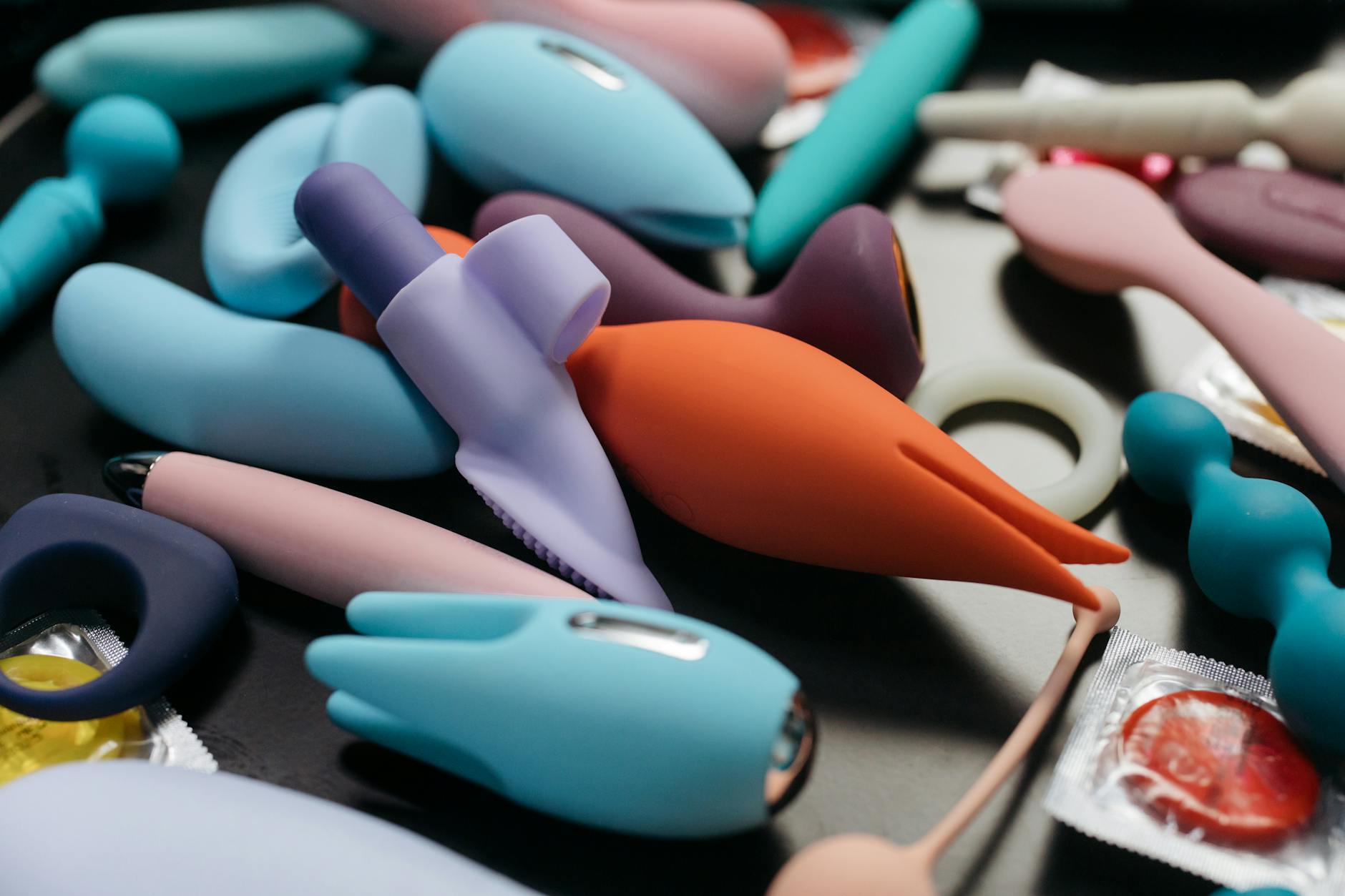
Here's what nobody tells you about aging and pleasure
Your clitoris doesn't retire at 40. But the tissue around it does change. Blood flow shifts, skin thins slightly, nerve sensitivity rewires. Most vibrators treat these changes like a problem to overcome. Lemon vibrators treat them like information.
The difference matters wildly for how pleasure actually works as you age.
What physically changes with aging
Let's start with the basics. As estrogen fluctuates or declines over time, the vulva experiences real, measurable changes. The clitoral hood and labia minora can thin slightly. Blood flow to the area takes longer to increase. The clitoris itself doesn't shrink, but the surrounding tissue loses some of its cushioning and elasticity.
Here's what doesn't change: the clitoral nerve density, the brain's capacity for sensation, or your ability to orgasm. Your pleasure hardware is intact. The input method just needs adjustment.
That's where most vibrators fail. They were designed for younger tissue with faster arousal, thicker outer layers, and more forgiving tolerance to direct friction. A traditional bullet vibrator that worked beautifully at 30 can feel too sharp or numbing at 50. It's not you. It's engineering that didn't account for the full lifespan of clitoral pleasure.
Why lemon vibrators adapt to changing tissue
Lemon clitoral vibrators use suction and gentle pulsing instead of straight vibration. That design choice matters more as tissue changes because suction creates stimulation through pressure and release, not friction.
Think of it like the difference between tapping someone's shoulder versus gently pulling on their sleeve. Same intention, completely different sensation. As outer tissue thins, the suction approach feels more comfortable and often more effective because it doesn't require direct contact intensity.
The pulsing patterns on a lemon vibrator can also be customized more finely than traditional toys. You can start at low pressure, work your way up, and stay exactly where feels good without jumping to settings that feel too intense. That control becomes more important when sensitivity is heightened or when you're learning how your body responds to aging.
Blood flow, arousal time, and what helps
One of the real changes with aging is arousal pace. It might take 15 or 20 minutes instead of 5 to reach the same level of clitoral engorgement. That's not dysfunction. That's just biology. Your body needs more time for blood to accumulate in the clitoral tissue.
This is where patience and the right tool intersect. A lemon sucker's gentle initial settings allow you to stimulate slowly, let arousal build naturally, and keep sensation consistent while your body ramps up. Traditional vibrators often encourage fast escalation to higher settings because that's all they have to offer.
I recommend spending at least 15 to 20 minutes in foreplay or solo exploration before using any clitoral toy, especially as you age. This isn't a luxury. It's the timeline your nervous system actually needs. A lemon vibrator respects that timeline instead of fighting it.
Sensation changes and desensitization risk
Here's a counterintuitive fact: aging tissue can be both more sensitive and more prone to desensitization from harsh stimulation. The outer layers thin, so stimulation reaches nerve endings faster. But that same thinning means repeated intense friction can cause numbing or irritation more quickly.
Lemon vibrators mitigate this because suction distributes pressure across a wider area of tissue instead of concentrating it in one spot. The sensation builds gradually through pressure patterns rather than constant high-frequency vibration. This means less risk of the numbing that can happen with traditional vibrators after 20 or 30 minutes of direct stimulation.
If you notice you're needing higher and higher settings to feel anything, that's a sign the toy isn't matching your tissue anymore. It's time to switch approaches, not push harder. A lemon clitoral vibrator often resets sensitivity because the stimulation style is fundamentally different from what's been causing the adaptation.
Lubrication, comfort, and what actually works
With aging, natural lubrication decreases for many people. This is real and annoying and fixable. The clitoris itself doesn't need lube the way a vagina does, but the surrounding tissue and hood benefit from it.
I recommend water-based lubricant paired with a lemon vibrator because it reduces any micro-friction on the outer tissue while letting you feel the suction sensation clearly. It's a small adjustment that makes a huge difference in comfort, especially in the first 5 to 10 minutes of stimulation before blood flow fully increases.
Reapply lube as needed. Seriously. This isn't cheating or a sign something's wrong. It's basic maintenance for aging bodies. A small amount every few minutes keeps sensation consistent and prevents any irritation.
Pleasure doesn't decline with age. It evolves.
Many people report their most intense orgasms happening after 45 or 50. This isn't myth. It's a common clinical observation across therapists who work with aging clients. Why? Because your brain knows what it wants now. You're not performing for anyone. You're not distracted by fertility concerns. You have decades of experience knowing what feels good.
That mental shift alone changes pleasure. Add a toy that's designed for aging tissue instead of fighting it, and you have the setup for some of the best sexual experiences of your life.
The lemon vibrator isn't a consolation prize for "older" bodies. It's the right tool for bodies that have changed. And changed bodies often know how to feel pleasure more skillfully than they ever did before.
Talking about these changes with a partner
If you have a partner, the conversation about changing sensation is worth having explicitly. Not "I think something's wrong with me," but "My body's responding differently, and here's what helps." That distinction frames the change as information instead of failure.
Showing a partner what works now, whether that's a longer warm-up period or a lemon vibrator's specific sensation, isn't complicated. It's intimate. It's you saying, "Here's my body now. Here's how we pleasure it." Most partners who care about you want that clarity. It makes everything better.
When to check in with a healthcare provider
If you're experiencing pain during stimulation that didn't exist before, see a gynecologist or menopause specialist. Genitourinary syndrome is treatable. If you've lost all interest in pleasure and it's not connecting to depression or relationship issues, testosterone therapy is worth discussing with a doctor who knows aging bodies.
But the normal changes. Thinner tissue, slower arousal, shifting sensitivity. Those aren't problems. They're signals that you need a different approach. And that's where a lemon clitoral vibrator, designed specifically for how bodies actually change, becomes genuinely useful.
The longer-term perspective
You're not entering a period of decline. You're entering a period of evolution. Your body has changed before and adapted before. This is just another chapter. And unlike the chapters before, you finally have toys and information designed for how you actually are, not how you're supposed to be.
A lemon vibrator is one tool in that conversation. The real tool is permission. Permission to explore how pleasure feels different now. Permission to take longer. Permission to use whatever helps. Your pleasure matters at every age and every stage of change.
FAQ
How do lemon vibrators compare to traditional vibrators for aging bodies?
Lemon vibrators use suction and pulsing patterns rather than high-frequency vibration. This means they create stimulation through pressure waves instead of friction, which is gentler on thinning tissue while often being more effective. Traditional vibrators can feel sharp or numbing on aging tissue. A lemon sucker's adjustable pressure settings let you match your actual sensitivity instead of forcing your body to match the toy.
Can I still have intense orgasms as my body ages?
Absolutely. The nerve pathways for orgasm don't age. If anything, many people report more intense, longer-lasting orgasms after 40 or 50 because they know their bodies better and have fewer performance anxieties. The arousal timeline might be longer, but the destination is often richer.
What if a lemon vibrator feels too intense at first?
Start at the lowest setting and stay there for 10 to 15 minutes. Arousal builds gradually as blood flow increases. Many people find the toy feels better and more effective once you've given your body time to respond. If it still feels sharp, add a small amount of water-based lubricant to the hood area. That reduces any micro-friction while you adjust to the sensation.
Does aging mean I need lubrication for clitoral pleasure?
Not always, but often yes. The clitoris itself doesn't require lube, but the surrounding tissue and hood benefit from it as they thin with age. Water-based lubricant reduces any irritation and keeps sensation consistent. It's not a sign something's wrong. It's a normal adjustment for aging tissue.
How long should arousal take as I get older?
There's no standard, but 15 to 25 minutes of warm-up before intense clitoral stimulation is common for many people over 40. Your body isn't slow. It's just being more deliberate about blood flow. Honor that timeline. A lemon vibrator works better when you're already aroused, so budget the time and enjoy the process.
Can I use a lemon vibrator with a partner?
Completely. Many couples find that having a toy that matches one partner's aging body creates better communication and often better sex. Show your partner what settings feel good, let them participate in choosing intensity, or use it together during partnered sex. It becomes part of the conversation instead of a solo tool.
Final thoughts
Your body's changes aren't obstacles. They're new data about how pleasure works for you now. And a lemon clitoral vibrator is designed to read that data well. You deserve pleasure that fits your actual body, not a toy that expects you to fit it. That's not settling. That's actually knowing yourself better than you ever have before.