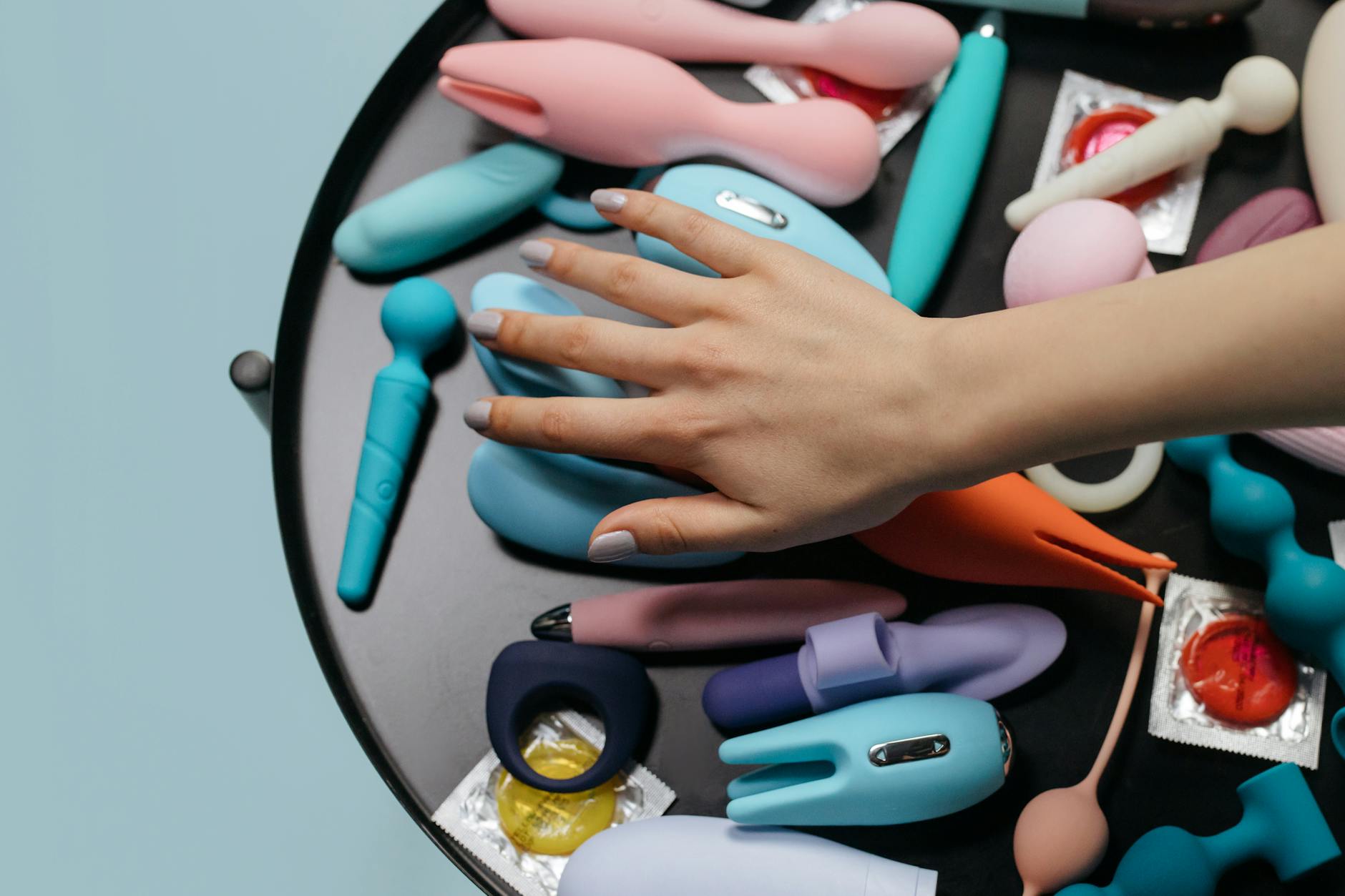
How to Use a Lemon Vibrator When Your Partner Feels Anxious About It
Let's be real. You want to introduce a lemon vibrator or another clitoral vibrator, but your partner got quiet when you brought it up. Maybe they said something like "I thought I was enough for you" or "Do you need that?" or just changed the subject entirely. That silence is where all the panic lives.
Here's what I know after two decades of working with couples: this conversation fails 90 percent of the time because people skip the actual talk and just bring the toy home. That doesn't work. What works is understanding why your partner is anxious, then showing them (not just telling them) that a lemon vibrator isn't about replacing them. It's about adding something.
Why partners get nervous about toys
It's almost never about the toy. It's about what they think the toy means.
Your partner might be worried that you're not satisfied with them. That you're losing interest. That sex was working fine and now you want "something better." These are real fears in long-term relationships, especially if you've drifted or if sex has felt routine for a while. A toy showing up feels like proof that something is broken.
Here's the other layer: some partners worry that introducing a toy means the relationship itself is in trouble. I've had clients say things like "If we need toys, we've failed." That's not true, but it's a belief that runs deep. It sits in the same place as worries about whether they're attractive enough or skilled enough or present enough.
The anxiety is usually not about the lemon vibrator specifically. It's about feeling like they're being replaced.
The conversation to have before you show them anything
This matters more than which toy you choose. Don't lead with the toy. Lead with the truth.
"I want to try something new together because I want more for us, not less. I'm not looking to replace anything about what we do." That's your opening. Say it when you're not in the bedroom. Say it when clothes are on and there's space to actually listen.
Then tell the truth about what you want. Is it more intensity? A different kind of sensation? Variety? Something to bridge the gap when you're not on the same timeline for sex? Pick the real reason and say it.
Here's what helps: frame it as information about your body, not a judgment about your partner. "My body responds really well to clitoral pressure," not "You don't do this right." "I want to build more sensation," not "What we're doing isn't enough."
Listen to what your partner actually says back. Don't steamroll through their worry. If they say "I feel replaced," that's not a problem to solve fast. That's something to sit with. Say: "I get why you'd feel that way. That's not what I want. Help me understand what would help you feel secure about this."
The goal isn't to convince them they're wrong to be anxious. The goal is to make them part of the decision, not the obstacle.
Why lemon vibrators actually make this easier
Here's something your partner might not know: suction-based clitoral vibrators like the Hello Nancy lemon vibrators are different from traditional vibrators. They work with your body, not against it. That design choice matters for the conversation.
When you explain how a lemon vibrator works, it changes the narrative. It's not about chasing a stronger sensation that your partner can't give you. It's about using a different technology that your body responds to. That's a facts-based conversation instead of an insecurity-fueled one.
You can literally show them: "This creates suction instead of just vibration. It's less about intensity and more about a completely different sensation. It's like the difference between a massage and a pressure point. Neither is better. They're different."
That reframe helps. Suddenly, it's not "I need something stronger." It's "I want to try something my body has never experienced."
The other thing that helps: involving your partner in learning how the lemon vibrator works. If they watch you explore it, hold it, understand the pressure settings, they stop seeing it as a replacement and start seeing it as a tool. Tools are neutral. Replacements are scary.
How to introduce it together (not as a surprise)
Never surprise your partner with a toy during sex. That's how you destroy trust. Introduce it as an experiment you're running together.
Pick a time when you're relaxed and curious, not when you're about to have sex. "I got something. Want to see how it works?" Keep it light. Let them hold it. Let them ask questions. Answer honestly.
If they're still nervous, you can start with just you using the lemon vibrator while your partner is present. Not during partnered sex. Just so they see it's not a performance thing. It's not about them watching you get off. It's about them understanding the tool.
Some partners feel better when they're involved in the physical process. "Can you help me find the right pressure setting?" That involvement often turns anxiety into curiosity.
Building safety into the rhythm
Once you're using a lemon vibrator together, the way you frame it matters. If you're using it during partnered sex, your partner might feel like they're watching instead of participating. That can resurrect the anxiety.
So involve them actively. "I want to use this while you're inside me," or "Can you hold this while we're together?" or "I want to come like this, and then we switch." That makes it collaborative, not competitive.
Check in afterward. Not in a way that's seeking reassurance (that gets exhausting for your partner), but in a way that invites them to share what felt good. "That felt different for me. What was it like for you?" That's a real conversation.
Many partners report that using a clitoral vibrator together actually increases their confidence. They realize it's making you more present, more responsive, more available. That's not a replacement. That's an upgrade for both of you.
What to do if the anxiety doesn't fade
Sometimes the conversation works once, and the worry comes back. That's normal. Long-term relationship anxiety doesn't vanish after one good talk. It comes in waves.
If your partner keeps expressing doubt about the lemon vibrator or about why you want to use it, that might be pointing to something bigger. Not about the toy, but about connection. Maybe you have drifted. Maybe there's resentment sitting underneath the anxiety. A toy won't fix that.
That's when couples therapy or even just a dedicated conversation with a relationship coach becomes valuable. I'm not saying you need it. I'm saying if the anxiety about the toy feels like a symptom of something larger, treat the larger thing.
For the toy conversation itself, the best thing you can do is stay patient. Your partner isn't being difficult. They're protecting something that matters. That's worth respecting.
FAQs
How do I tell my partner I want to use a lemon vibrator without hurting their feelings?
Lead with what you want, not what's missing. "I'm curious about trying a lemon vibrator because I want to explore more sensations" lands differently than "I'm not satisfied." Also, timing matters. Have the conversation outside the bedroom when you're both calm and can actually listen.
Is it normal for partners to feel replaced by a toy?
Completely normal. A lot of partners interpret toys as criticism, even though that's usually not what's happening. The anxiety often points to existing worries about attraction or desire. Address the worry directly instead of pretending it's not there.
Can we use a lemon vibrator if my partner is uncomfortable with it?
You can, but it works better if they feel like they chose it too, even if the choice is "I'm willing to try this because you care about it." Forcing a toy into your sex life when your partner is genuinely resistant usually creates more distance, not less.
What if my partner wants to use the lemon vibrator on me but I feel awkward?
That awkwardness often fades once you actually do it. Your partner might feel more confident and less anxious if they're actively using the tool. Let yourself be surprised by how it feels. Sometimes the vulnerability of being touched that way deepens connection.
Should I hide my lemon vibrator if my partner is still anxious about it?
Hiding it usually makes things worse because it confirms their suspicion that something secretive is happening. Store it normally. Keep talking about it. The familiarity often reduces the anxiety over time.
How long does it take for a partner to feel okay about toys?
It depends on what the anxiety is really about. If it's just nervousness about something new, a few conversations and positive experiences can shift it in weeks. If the anxiety is rooted in deeper relationship issues, it takes longer. Be patient either way.
Your partner's anxiety about a lemon vibrator isn't a barrier. It's information. It tells you what matters to them and what fears are living underneath. Once you understand that, you can build something stronger together, not just sexually, but emotionally. That's when introducing a tool like a clitoral vibrator actually deepens your relationship instead of complicating it.