Let's talk about the stress effect nobody warns you about
When a relationship has been rocky, your body gets the memo before your mind does. Months of tension, unresolved conflict, or emotional distance don't just affect how you feel about your partner. They shut down your pleasure circuits entirely. Your arousal literally flatlines.
This isn't weakness. It's your nervous system doing exactly what it evolved to do: protect you when things feel unsafe. But here's the thing. Once you've decided to rebuild connection, your body doesn't automatically flip back on. It needs a plan.
Why stress numbs arousal so completely
Relationship tension triggers a sustained cortisol response. That elevated stress hormone doesn't just make you feel anxious or irritable. It actively suppresses dopamine and suppresses blood flow to the genitals. Over months, this changes sensitivity at a tissue level. Your vulva can become genuinely less responsive, not because something is broken, but because your nervous system has been running in defense mode.
Add to that the emotional layer. When there's been conflict, shame often creeps in. "Why can't I just feel aroused?" becomes another source of pressure, which makes arousal even harder. You end up in a cycle where trying becomes counterproductive.
The good news is that pleasure is remarkably resilient. Once your relationship starts feeling safer, your body can learn to respond again. It just needs the right conditions and the right tools.
Why a lemon vibrator works differently for stress recovery
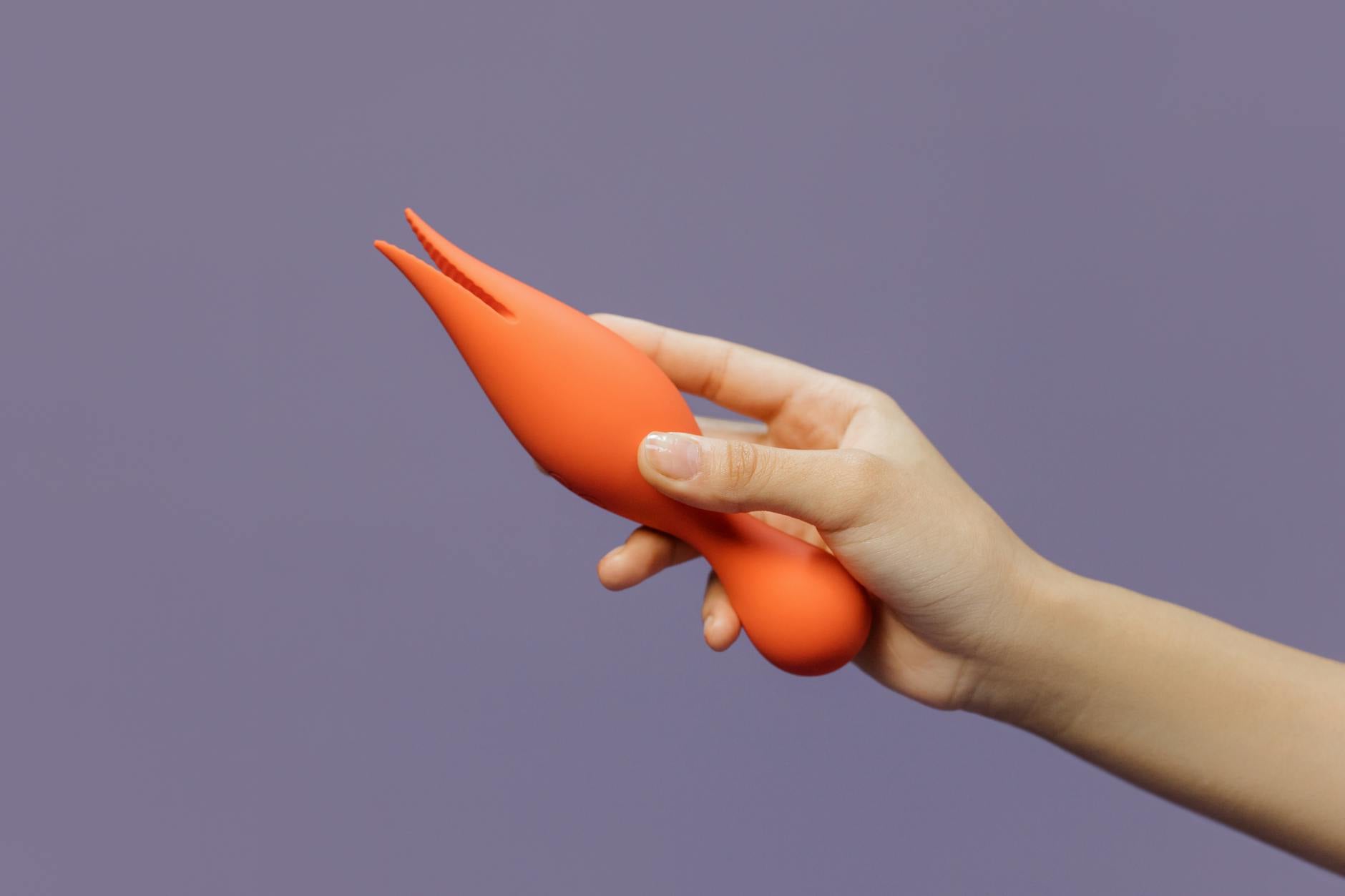
Suction-based stimulation like The Lemon Clit Suckers does something that traditional vibration doesn't. It mimics the sensation of oral sex in a way that feels deeply comforting to your nervous system. That matters when you're rebuilding trust in sensation.
Second, suction requires less effort from your body. You don't have to "perform" arousal or build toward anything. You can simply receive stimulation and let your body respond at its own pace. That passivity is actually the point. After stress, your nervous system needs permission to switch off the defensive vigilance.
Third, because suction works through gentle pressure rather than direct friction, it reintroduces sensation to tissues that may have become numb or overly sensitive from months of tension.
The practical comeback framework
If you're returning to pleasure after relationship stress, here's what I recommend.
Week one: Solo exploration only. This is not about performance or proving arousal works. It's about remembering what sensation feels like. Set aside 20 minutes in a space where you feel completely alone and safe. No partner in the house, no possibility of interruption. Start with the lemon vibrator on the lowest setting (pattern 1 or 2). Spend the first session just touching yourself, not with the vibrator. Reacquaint your body with non-goal-oriented touch. On day three or four, introduce the vibrator for maybe five minutes. The goal is comfort, not orgasm.
Week two: Extend and vary. By now you should be less shocked by your own body. Gradually increase session time to 25-30 minutes. Experiment with different patterns on the lemon vibrator. Notice what feels good without judgment. Some days arousal builds quickly. Some days it barely shows up. Both are fine. You're building evidence that sensation is returning, not that your body is "fixed."
Week three onward: Reintroduce partner touch, slowly. If your relationship is genuinely improving (not just surface-level reconciliation), this is when you might start partnered intimacy again. But here's the crucial bit. Don't skip the lemon vibrator. Using it together, or using it solo while your partner is present, keeps your nervous system feeling safe while you rebuild trust. There's no timeline for removing it. Some couples use a lemon vibrator as part of sex permanently, especially after stress has dampened response.
How to actually use it with your partner
If you're ready to involve them, the conversation matters as much as the tool. "I've been using this on my own to rebuild sensation after the stress we've been through. I'd like to keep using it when we're together. It's not a replacement for you. It's a bridge while my body re-learns how to respond."
Most partners get this once it's explained clearly. What they hear is "you care enough to want to feel pleasure with them again," which is true.
When you're together, you can use the lemon vibrator on yourself while your partner touches you elsewhere, or they can hold it while you guide them. Some people find that external control (letting their partner hold the vibrator) feels genuinely connecting after a period of distance. You're quite literally putting your pleasure in their hands in a way that feels manageable and safe.
Start with the lower settings. Many partners assume "vibrator" means max intensity and maximum speed. Nope. Patterns 1-3 on a lemon vibrator are often all you need, especially when you're reintroducing arousal after stress.
The emotional part is bigger than the physical part
Here's what I see clinically. People think the problem is their body. "My arousal is broken." But the actual problem was usually the relationship tension, which manifested as a body problem. Once the relationship gets safer and calmer, the body typically responds. The vibrator just accelerates that process and removes pressure from both partners.
But this only works if the relationship is actually improving. A lemon vibrator cannot fix ongoing conflict or resentment. It can help you rebuild pleasure once the foundation is steadier. So before you focus on arousal, focus on the connection.
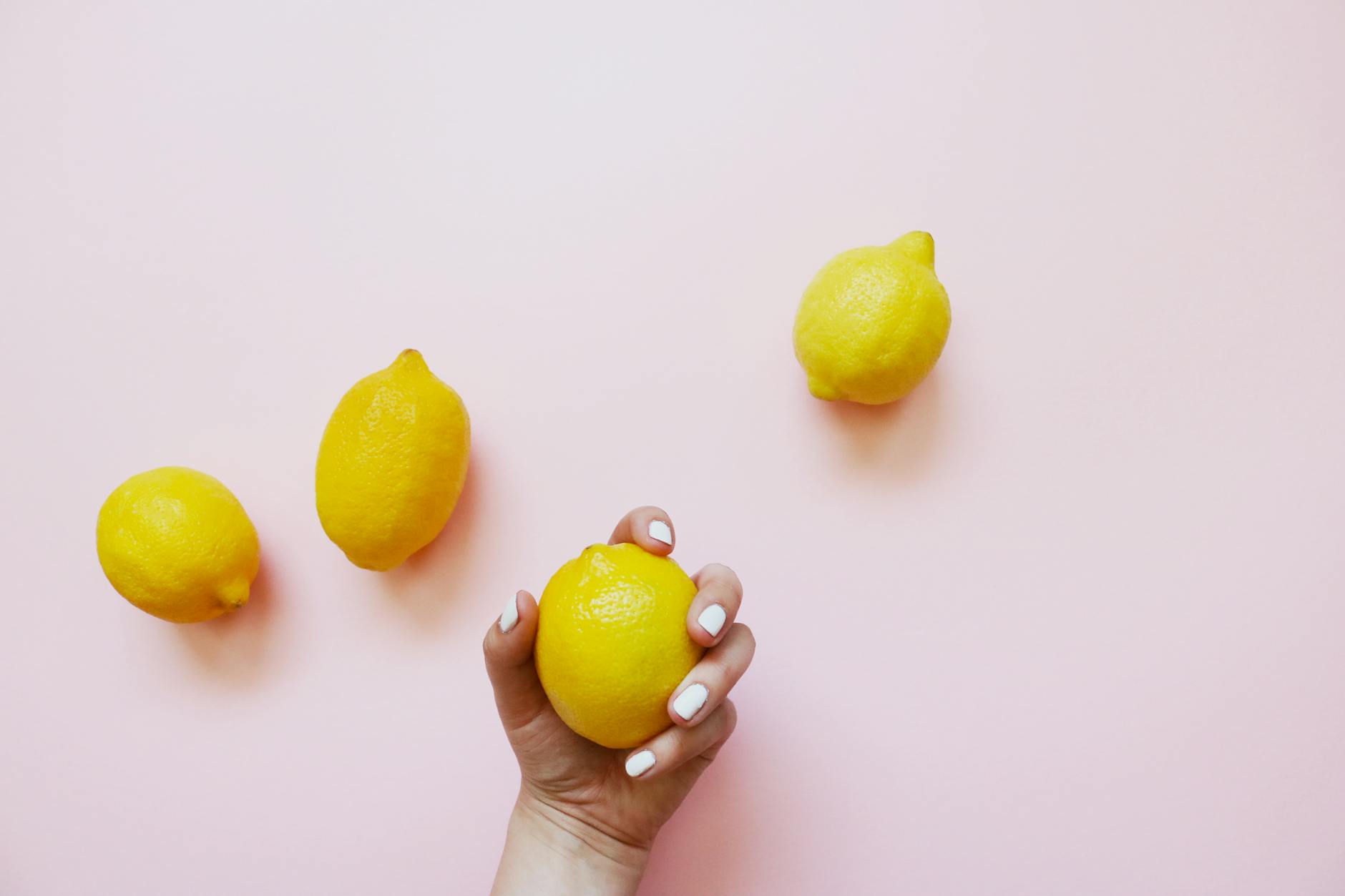
Photo by Madison Inouye on Pexels
What if arousal still isn't returning after a few weeks
Most of the time, once the relationship stress genuinely drops, arousal rebounds within 3-4 weeks of solo exploration. But sometimes it doesn't. If that's you, a few things to consider.
First, is the relationship actually safer now, or are you both just pretending? Your body knows the difference. Genuine repair takes time. If you're still walking on eggshells, arousal isn't going to fully return until that changes.
Second, check stress elsewhere. Job stress, family stuff, health anxiety. Cortisol doesn't care which stressor caused it. Sometimes relationship repair happens but three other life things pile on, and arousal stays offline.
Third, some people find that solo exploration with a lemon vibrator needs to happen for longer than a few weeks. Maybe you need a month or two. That's not a sign of failure. That's your nervous system being cautious, and that's actually healthy.
If arousal remains completely absent after 6-8 weeks of genuine relationship improvement and solo exploration, check in with a doctor. Chronic stress can have physical effects beyond psychology. But most of the time, once the relationship issue resolves, arousal comes back.
The honest truth about rebuilding after stress
Relationship stress doesn't just steal your orgasms. It makes you doubt whether you even want pleasure with this person anymore. That doubt is real and worth respecting. A lemon vibrator can help your body remember sensation, but only you can decide whether you want to rebuild this relationship.
If you're rebuilding because you genuinely want to, the lemon vibrator is a useful tool that removes pressure and accelerates the process. If you're rebuilding out of obligation or habit, no vibrator in the world will fix that. So start there. Make sure the relationship work is real. Then let your body catch up.
People also ask
How long does it take for arousal to return after relationship stress?
For most people, initial signs of returned arousal show within 2-4 weeks once relationship stress genuinely decreases and solo exploration begins. But full arousal capacity might take 6-8 weeks. Every person is different. Some recover faster. Some need longer. Patience with your body matters more than speed.
Can I use a lemon vibrator while still feeling disconnected from my partner?
You can, but it's not addressing the core issue. Arousal and intimacy are different systems. You might achieve physical pleasure solo while emotional distance remains. That's actually useful information. It tells you the problem is relational, not your body. Focus on the relationship first. The pleasure will follow.
Should I tell my partner I'm using a vibrator to recover from the stress we caused?
That depends on your relationship and communication style. Some couples are explicit about everything. Some keep solo pleasure separate. There's no "right" answer. But if you want to eventually use it together or have them know, honesty works better than hiding it. Most partners appreciate knowing because it means you're working on reconnection intentionally.
What if my partner feels hurt that I need a vibrator to feel aroused again?
This is common and worth naming directly. "This isn't about you being insufficient. This is about my nervous system needing help relearning how to respond after we went through a rough time. It's a tool for both of us." If they continue to feel threatened, that's a sign the relationship repair isn't deep enough yet. Couples therapy might help more than a vibrator right now.
Can stress permanently damage my ability to feel pleasure?
No. Arousal circuits are resilient. Once stress drops and safety returns, your body restarts. It might take patience and consistent support, but pleasure capacity doesn't get permanently erased by temporary stress. Your nervous system will remember how to respond.
Is it normal that I'm more aroused during solo use than with my partner?
Completely normal after relationship stress. Solo exploration removes performance pressure. You're only managing your own nervous system, not worrying about your partner's expectations or your own self-doubt. As the relationship stabilizes, that gap usually closes. But it's not a sign something is wrong with partnered sex. It's a sign you need more time before adding another person to the equation.