
The shift nobody warns you about
After five years, ten years, twenty years with the same partner, something subtle happens to orgasm. It doesn't disappear. It just gets quieter. The intensity softens. The build feels slower. Sometimes it stops arriving at all, even though the desire and the connection are both still there.
Most couples assume this is permanent. They're wrong.
Why long-term relationships change physical pleasure
There are three overlapping reasons orgasm intensity fades in established relationships, and none of them are about love.
First is habituation. Your nervous system has learned the exact rhythm and pressure your partner provides. Literally learned it. The same touch that used to send electricity through your body now registers as "expected." Your brain stops amplifying the signal because it already knows what's coming.
Second is routine friction. After years, you're often having sex in the same position, at the same time, with the same warm-up. Not because you're bored, but because it works. Comfort wins. But your clitoris doesn't grow from comfort. It grows from novelty, from slightly different pressure, from surprise micro-variations that your brain has to process in real time.
Third is just time on the tissues. Blood flow patterns change. Nerve sensitivity naturally shifts. Pelvic floor muscle engagement becomes less automatic. None of this means anything is broken. It means you need a different tool to reach the same depth.
Where lemon vibrators actually fit in
Here's what matters: lemon clitoral vibrators work through suction, not vibration. That distinction changes everything for long-term couples.
A traditional vibrator replicates the sensation your partner already provides, just faster and more intense. A lemon vibrator creates an entirely different sensation: rhythmic suction that doesn't exist in partnered sex. Your clitoris has never felt this before. Your nervous system can't habituate to it because there's no prior map.
When your body encounters a genuinely novel stimulus after years of the same input, arousal rebuilds. Not because you're bored with your partner, but because your nervous system recognizes something new and turns up the volume.
Many couples tell me that introducing a lemon suction toy was the first time in years they both felt that electricity return. Not in spite of their long-term commitment. Because of it. You're not replacing anything. You're adding a signal your body hasn't heard in a long time.
How to introduce this together
Timing and framing matter more than the toy itself.
Start by naming the pattern you've both noticed. "I feel like our orgasms have gotten quieter. I miss that intensity. I want to try something new together." Not "Something's wrong" or "This will fix us." Just honesty about a shared observation.
Then introduce the lemon vibrator as exploration, not repair. Order it together. Let them hold it. Let them see it's not intimidating or clinical. Hold it yourself and show them how it feels on your hand. When you finally use it, don't make it the whole show. Incorporate it into what you already do.
Many partners feel instantly less anxious when they can see the thing, hold the thing, and understand the mechanics. Mystery breeds resistance. Transparency breeds curiosity.
Using a lemon vibrator to rebuild sensation
Start at the lowest setting, usually a gentle pulsing pattern. You're not chasing immediate intensity. You're training your nervous system to register a sensation it hasn't felt in months or years.
Apply the lemon vibrator directly to the clitoris with light pressure at first. You'll likely feel a fast arousal spike because the suction sensation is novel. That's exactly what you want. Your body is waking up.
Spend 10 to 15 minutes at low settings before moving to a higher intensity or pattern. This isn't speed dating. This is introducing your nervous system to a completely new language of pleasure.
If you're using it with a partner, have them hold it while you guide their hand and pressure. This keeps them active and connected instead of feeling sidelined. You're not replacing them with a toy. You're giving them a new way to touch you.
Building stronger orgasms across sessions
One session won't undo years of habituation. But consistency will.
Use the lemon clitoral vibrator two to three times a week, focusing on low to medium settings. Your nervous system needs time to rewire what "intense" feels like. After three to four weeks of regular use, you'll notice the sensations sharpening. Orgasms will feel taller and more present. The intensity will begin to stack again.
After six to eight weeks, many people report that even partnered sex without the toy feels more intense because the baseline sensitivity has shifted upward. Your body has remembered how to amplify signals.
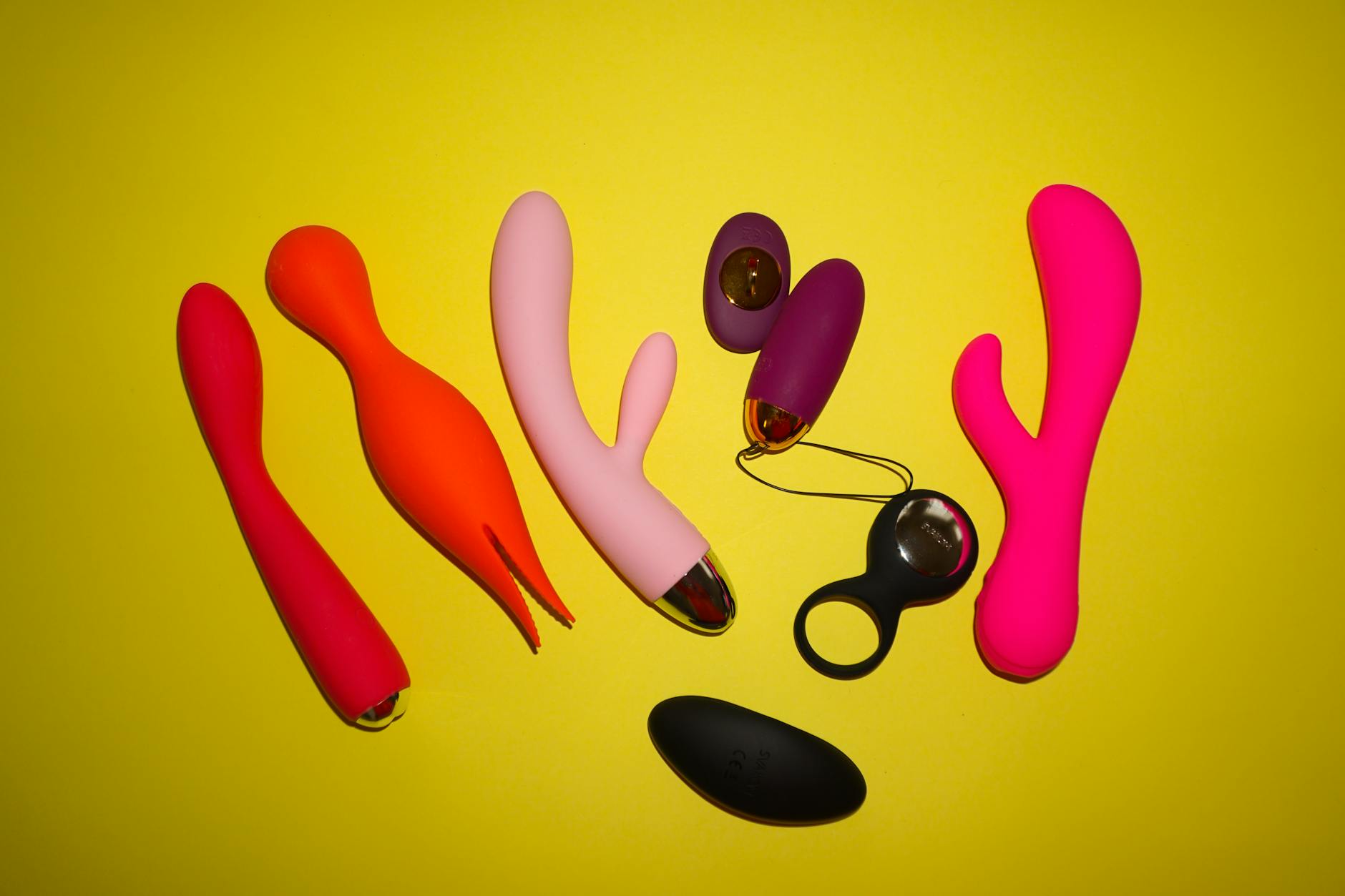
Photo by FounderTips on Pexels
Don't expect a lemon vibrator to work the same way every session. Some days it'll feel incredible. Some days it'll feel like just okay. That's totally normal. Arousal is biochemical and emotional. Stress, sleep, cycle phase, whether you ate that day. All of it matters. A lemon suction toy doesn't override your actual life. It just gives you a better tool when conditions are right.
When to involve your partner directly
There's an important difference between using a lemon vibrator solo and using it together.
Solo use is about rebuilding your own nerve sensitivity without pressure. You're learning what intensity feels like to you, without performance anxiety or someone else's timeline.
Partner use is about novelty and reconnection. Here's the frame that works: "I want you to see what this feels like on me. I want you to control it and watch my body respond." Now they're not watching a toy replace them. They're discovering a new way to make you come.
Most partners find this incredibly hot because they're learning something new about you after years of familiarity. You're essentially giving them permission to be curious again.
Managing expectations and realistic timelines
A lemon vibrator isn't a magic fix for relationship issues, but it's an excellent tool for rebuilding physical sensation when the connection is solid and the concern is just pleasure intensity.
If deeper things are broken in the relationship (resentment, poor communication, emotional distance), no toy will fix that. But if you have a strong partnership and you're both noticing that physical intensity has faded, a lemon suction toy can genuinely restore that dimension.
Expect the first few sessions to feel a bit awkward or unfamiliar. New sensations often do. Expect that it takes four to six weeks before you feel sustained intensity rebuilding. Expect that on some days it works brilliantly and on others it's just nice. That's not failure. That's normal neurobiology.
FAQ
Why do orgasms feel less intense after years in a relationship?
Your nervous system habituates to repeated sensations. After thousands of instances of the same touch, pressure, and rhythm, your brain stops amplifying the signal. It's not about love or attraction. It's about sensory adaptation. Introducing a genuinely novel stimulus like the suction sensation of a lemon clitoral vibrator can interrupt that habituation and rebuild intensity.
Can a lemon vibrator improve orgasm intensity without a partner's involvement?
Absolutely. Solo use trains your nervous system to feel stronger sensations through a mechanism your body hasn't experienced in years. Many people find that solo sessions with a lemon suction toy lead to better partnered sex because your baseline sensitivity has shifted upward. You're not replacing your partner. You're upgrading your own physical responsiveness.
How long does it take to notice stronger orgasms with a lemon vibrator?
Most people report subtle shifts after three to four weeks of two to three sessions per week at low to medium settings. More noticeable intensity improvement usually arrives around six to eight weeks. The timeline depends on your baseline sensitivity, stress levels, and consistency. This isn't quick-fix territory. It's rewiring territory.
What if my partner feels threatened by introducing a toy?
Frame it explicitly: "I want to feel more pleasure with you, and this tool will help me get there. I'm not looking for a replacement. I'm looking for a new sensation we can explore together." Let them see it, hold it, understand the mechanics. Insecurity often comes from mystery. Transparency usually dissolves it. If they remain resistant, that's worth a deeper conversation about what's underneath the resistance.
Does using a lemon vibrator too often make you lose sensitivity?
Not in the way people worry. Regular use at moderate settings actually trains your nervous system to maintain higher baseline sensitivity. What you want to avoid is hours-long sessions at maximum intensity every day, which can temporarily numb the area. Two to three sessions per week at sensible intensities maintains sensitivity while rebuilding it. Think of it like exercise for your nervous system.
Can lemon vibrators help restore intensity after hormonal changes?
Yes, partly. Hormonal shifts change tissue sensitivity and lubrication, which does affect orgasm quality. A lemon clitoral vibrator can't replace hormonal therapy if that's what you need, but it can work alongside it. The suction mechanism is particularly helpful when tissue sensitivity has shifted because it creates a different kind of stimulation than vibration alone. Pair it with proper lubrication and you've given yourself the best chance at intensity rebuilding.
Your pleasure deserves this attention
After years together, pleasure doesn't have to fade. It just needs permission to evolve. A lemon vibrator is a tool for that evolution. Not because your relationship is broken, but because you deserve to feel that intensity again—and your partner deserves to watch you experience it.
The couples I work with who approach this with curiosity instead of shame consistently rebuild that dimension. You can too. Start with a conversation. Then try something new. Then notice what shifts.
Your pleasure matters. Your long-term partnership is worth investing in. And sometimes the simplest path forward is giving your nervous system something it hasn't felt in a very long time.
Ready to explore? Start the conversation with your partner or yourself. Want guidance on navigating relationship shifts or pleasure concerns more broadly?