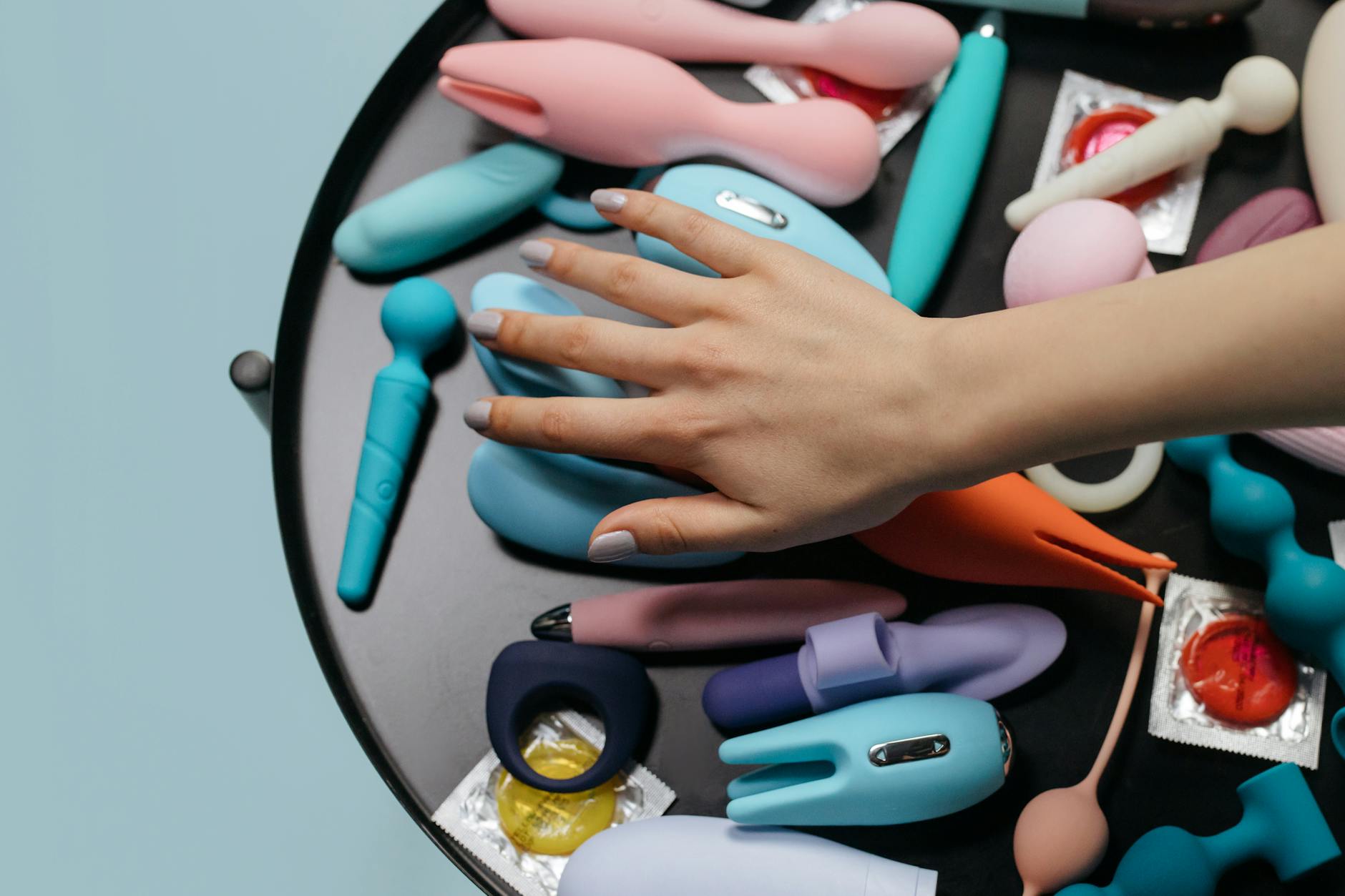
Let's talk about the libido thing
Perimenopause didn't kill your sex drive. It rewired the electrical system that powers it. That's a crucial difference because most advice treats low libido during perimenopause like a simple problem with a simple fix. It isn't. Your hormones are fluctuating wildly, your baseline arousal threshold has shifted, and your body's response to touch has changed. All three at once. No wonder sex feels like a foreign concept.
Here's what I see in my practice constantly: women in their 40s describing desire that's become erratic, spotty, sometimes completely absent for weeks. Then it returns for no clear reason. Then it vanishes again. This isn't depression. It isn't relationship trouble. It's perimenopause doing what perimenopause does. And the good news is that lemon clitoral vibrators work exceptionally well during this specific window because they bypass the arousal buildup problem altogether.
How perimenopause scrambles arousal
Estrogen and progesterone don't decline steadily during perimenopause. They spike and crash unpredictably. One week your estrogen is reasonable and your baseline arousal is normal. The next week it's bottomed out and you feel nothing at all. This isn't imaginary. Fluctuating hormones directly impact dopamine and norepinephrine, the neurotransmitters responsible for sexual motivation and arousal.
Think of these hormones as the electrical current running through your desire system. When they're unstable, the current flickers. Some days you can't orgasm. Other days you orgasm from basically nothing. Neither extreme feels like you.
There's a second layer too. Estrogen keeps your tissues supple and well-lubricated. When it dips, vaginal and clitoral tissue becomes thinner, less stretchy, less vascular. Blood flow to the clitoris takes longer to activate. A touch that felt electric at 35 now feels muted at 44. Combine erratic hormones with reduced tissue responsiveness and you have a double whammy.
Why lemon vibrators actually help
Lemon clitoral vibrators, particularly ones that use suction technology, solve the arousal gap problem directly. When desire is low or sensation is blunted, waiting for slow arousal buildup doesn't work. You can wait 20 minutes and feel nothing, which kills any remaining motivation to keep trying.
A lemon vibrator doesn't wait for your arousal system to fire up on its own. It stimulates the clitoris in a way that bypasses the normal arousal threshold. The suction mechanism creates rhythmic pressure changes against the clitoral bulb, which activates nerve endings more efficiently than simple vibration alone. This means the sensory input is strong enough to register even when estrogen is low and tissue responsiveness is reduced.
What actually happens: You start using the vibrator, and within a few minutes, your body registers genuine arousal signals. Those signals feed back into your brain, triggering the release of dopamine and oxytocin. Your baseline arousal climbs. The pleasure becomes real, not forced. This is the opposite of white-knuckling your way through sex and hoping you land somewhere good.
The pattern that works during perimenopause
If your libido feels erratic right now, you're likely in one of two cycles. Either your hormones are currently bottomed out (low arousal baseline, delayed sensation, orgasm feels distant or absent) or you're in a slightly higher phase where arousal is faster but feels less intense than it used to.
For the low-arousal weeks, start with the lowest setting on your lemon vibrator. This sounds counterintuitive because you might assume you need maximum stimulation. You don't. What you need is consistent input that your nervous system can register. Low setting, direct contact with the clitoris, zero pressure on yourself to "perform" arousal. Give it 10-15 minutes. Often, arousal will build even when your hormones suggest it shouldn't.
For the slightly higher phases, you can start at pattern 2 or 3 and adjust up. Your sensation will be more responsive, so you might not need the longest warmup.
The critical part: Stop thinking of the vibrator as a shortcut or a backup plan. It's a tool that matches your current neurochemistry. There's no shame in needing it more right now.
Partner sex during low-libido weeks
If you have a partner, this period can feel confusing or even rejecting to them. Your inconsistent desire isn't a message about your attraction. It's physiology. But your partner often internalizes it as emotional distance. This gap is where things break.
One practical strategy: Use your lemon vibrator with your partner during these weeks instead of trying to manufacture arousal through penetration alone. Many couples find that bringing the vibrator into partnered sex actually improves connection because there's less pressure and more pleasure. You're cooperating toward a mutual goal instead of one person waiting for the other to show up arousal-wise.
You might say something like: "Right now my arousal is unpredictable. Let's use the vibrator together so we're both getting pleasure and I don't have to force something that isn't happening naturally." This reframes it from "something is wrong" to "this is what works for us right now."
If penetrative sex is off the table during low-arousal phases (which is completely valid), the vibrator opens up other options. Manual stimulation. Oral sex with vibrator in hand. Orgasm together without intercourse. These aren't consolation prizes. They're often more connected and satisfying than the default pattern you've been using for years.
Timing and tracking what actually works
Because perimenopause is so erratic, you need data. Track your cycle if you still have one, note your mood and energy, and most importantly, track when sexual desire feels present and when it doesn't. This isn't obsessive. It's strategic.
You might notice that desire is better in the week after your period. Or that you have a 3-4 day window mid-cycle where arousal is more accessible. Once you identify these windows, you can use them. Plan partnered sex during your higher-arousal phases. Use solo time with your lemon vibrator during the low phases, not as duty but as information-gathering. What intensity feels good now? What does your clitoris prefer when sensation is muted? What arousal pattern is your brain responding to?
This information becomes crucial later. If you move into menopause proper, you'll have a detailed map of what actually works for your body.
When to bring in outside support
If libido is completely absent for more than 8-12 weeks, or if desire disappeared suddenly (not gradually), see a doctor. Sometimes perimenopausal low libido is just hormones doing their thing. Sometimes it's thyroid dysfunction, anemia, depression, or another medical issue that looks identical but needs different treatment.
Similarly, if the low-arousal weeks are accompanied by brain fog, extreme fatigue, or mood shifts that feel unmanageable, talk to someone who specializes in perimenopause. A perimenopause-trained GP or therapist can help you assess whether hormone therapy, supplements, or other interventions make sense for your specific picture.
The vibrator is a tool, not a replacement for medical support. It's useful for managing the sensory piece. But if something bigger is happening, you need actual clinical eyes on it.
A note on self-compassion
Here's what I tell clients when they're frustrated about their changing libido: Your body is not broken. Your body is changing. Perimenopause is one of the most significant hormonal transitions you'll ever experience, and it affects everything. Sexual desire is not immune to that. Low libido right now doesn't mean you're aging out of pleasure. It means you're in a specific phase that requires different tools and different patience.
Using a lemon vibrator isn't settling. It's adapting. It's saying: My body is different right now, and I'm going to learn what works for this version of myself. That's actually powerful.
Frequently asked questions
How long does it usually take for arousal to build when using a lemon vibrator during low-libido weeks?
This varies, but most people report noticeable arousal shift within 5-10 minutes at low-to-medium settings. If you're in a genuinely low-arousal phase, you might need 15-20 minutes before orgasm feels accessible. The key is removing the pressure timeline. You're not trying to finish fast. You're trying to prove to your nervous system that pleasure is possible right now. Let it take the time it needs.
Can perimenopause low libido improve without medical intervention?
Yes. Many people find that their baseline arousal stabilizes again as they move deeper into perimenopause or transition to menopause. Your body will eventually adjust to the new hormone levels, and sexual response often improves. In the meantime, tools like vibrators help maintain pleasure and sexual connection during the rocky transition period.
Is using a vibrator during perimenopause a sign that something is wrong with my body?
Absolutely not. Using a vibrator during perimenopause is using the appropriate tool for your current physiology. Your clitoris is still there. Your capacity for pleasure is still there. The pathway to arousal is just slower and more sensitive to hormonal fluctuations. A vibrator is like wearing glasses when your vision changes. It's adapting.
Should I feel guilty about needing a vibrator when I didn't before?
No. Your body changed. Your needs changed. That's not failure. It's life. Many women find that using a lemon vibrator during perimenopause actually improves their sex life because there's less forcing, less frustration, and more genuine pleasure. This could be better than what came before if you give it a chance.
Can a lemon vibrator help if my partner's arousal is faster than mine during perimenopause?
Yes. When hormonal fluctuations create an arousal gap with your partner, a vibrator helps you catch up to his or her pace without faking it. You're both getting real pleasure at the same time. This actually reduces resentment and sexual frustration in relationships because you're not waiting for the other person to slow down or speed up.
What's the difference between low libido and burnout or relationship disconnection during perimenopause?
Low libido from perimenopause is purely physiological. Your desire baseline has dropped. Burnout or disconnection feels different. It often includes emotional distance, resentment, or a sense of "I just don't want to." Those feelings are usually about something other than hormones. You might need to address both at once. A therapist can help you untangle what's hormonal from what's relational.
You're not losing your sexuality
Perimenopause low libido feels like the end of the story. It's the middle chapter. Your body is reorganizing. Your arousal system is recalibrating. A lemon vibrator helps you stay connected to pleasure while that happens. You'll come out the other side. Most people do. And they often report that their sexuality is richer afterward, not poorer. Because they learned how to ask for what they actually need instead of following the script they've always followed.
Start with what feels true for your body right now. Use the vibrator on your own timeline. Notice what shifts. Then build from there. Pleasure doesn't disappear during perimenopause. It just requires you to pay closer attention and give yourself better tools. You're worth that investment.