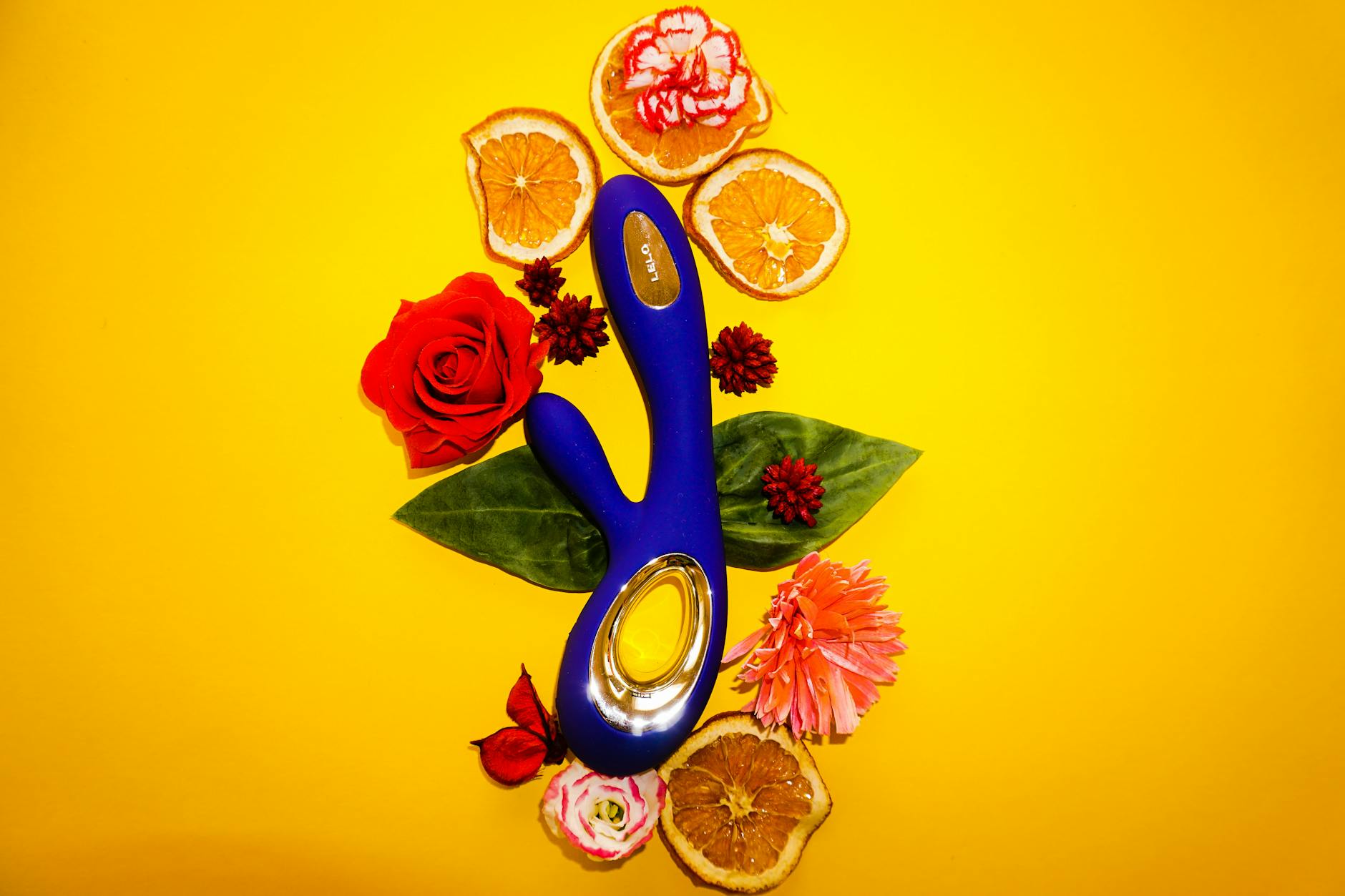
Here's what nobody tells you about numbness
You can feel your partner's touch. You can feel your own hands. But somewhere between your thigh and your clitoris, sensation just stops. It's like someone dimmed the lights in that part of your body, and no amount of friction seems to turn them back on. That's not a personal failure. That's tissue change, and it's fixable.
Numbing happens for predictable reasons: hormonal shifts thin the tissue, reduce blood flow, and dampen nerve sensitivity. Age, medication side effects, birth control, and even excessive friction from certain toys or partners can layer on top of that. The good news is that sensation is almost never truly gone. It's just being masked by the physical changes happening in your body. And there's a specific tool that works better for rewaking it than anything else.
Why friction alone doesn't cut it when sensation is dull
The traditional approach to clitoral stimulation is pressure and speed. Your partner uses their fingers or tongue and creates friction against the tissue. That works great when the nerve endings are sharp and the tissue is responsive. When both have dulled, friction becomes the equivalent of knocking on a door that's already closed. You're not hearing anything because nothing's being transmitted.
Here's the neurological piece that matters. Clitoral sensation actually works in layers. The outermost layer responds to light touch and texture. The middle responds to pressure. The deepest parts respond to a completely different stimulus: suction and sustained pressure that doesn't depend on friction to register.
When tissue thins and numbness sets in, the outer layers lose sensitivity first. Friction amplifies the problem because it's targeting those dulled outer layers harder and harder, which just leads to irritation, not arousal. You need a tool that bypasses those numb outer zones and speaks directly to the deeper nerve networks. That's where a lemon clitoral vibrator, with its suction mechanism, changes everything.
Why suction works where friction fails
Lemon vibrators like the Lem use air-pulse technology instead of simple vibration. They create a gentle seal around the clitoris and pulse the air in and out, generating pressure changes that stimulate the entire structure at once, not just the surface you're rubbing against.
That matters because your clitoris isn't just the small external nub you see. It extends internally as a complex network of tissue and nerve endings. Friction only touches the exterior. Suction engages the deeper structure, waking up nerve pathways that friction has been failing to reach.
Clinically, people with reduced sensation from hormonal changes, medication, or tissue thinning report that suction-based tools wake up sensation that felt completely lost. Not in a way that feels weird or overwhelming, but in a way that feels like someone turned the volume back on in a room you'd forgotten was quiet.
The setup that actually restores feeling
Let's talk mechanics. When sensation is numb, your instinct is usually to increase intensity. Turn up the speed, press harder, do more. That rarely helps and often makes things worse by creating more irritation.
Instead, start small and let the body remember what it's supposed to feel.
Step 1: Give yourself real time. When tissue sensitivity is low, arousal takes longer to build. Not because you're broken, but because your body is working harder to generate the blood flow and nerve response that thinner or less responsive tissue requires. Budget 20-30 minutes before you even introduce a tool. Your own hands, warm breath from a partner, or just time lying in anticipation matters more than you think.
Step 2: Lubrication is not optional. Numb tissue is often dryer tissue. Water-based lubricant isn't a sign of brokenness. It's a practical tool that lets a vibrator work the way it's designed to. The Lem's suction works best when there's a good seal, and dryness breaks that seal and reduces sensation even more.
Step 3: Start on the lowest setting. Not because you're fragile, but because lower settings let you feel what's actually happening. When tissue is numb, you need to re-educate your nervous system. Starting on pattern 1 or 2 on the Lem gives your body time to recognize and respond to the sensation. You can always turn it up after two or three minutes. You can't unhear something if you blasted it on high from the start.
Step 4: Position it to engage the whole structure. The magic of suction is that it doesn't work if you're aiming it exactly at the tip of the clitoris the way you might with a vibrator. Instead, center it on the mound and let the seal draw the tissue up into the cup. The pressure change is what matters, not the point of contact.
What changes when sensation starts coming back
Three things happen when you're using the right tool with the right setup.
First, sensation becomes building and localized instead of vague and distant. You'll notice you can feel different pressure levels. You might start to recognize the moment something clicks and begins to feel genuinely pleasurable instead of just neutral stimulation.
Second, your arousal actually accelerates. It's counterintuitive, but sensation and arousal feed each other. Once your nervous system starts getting clear signals again, the physical arousal response kicks in faster. The blood flow increases, the tissue plumps slightly, and everything becomes more responsive in return.
Third, orgasm becomes possible again. Not every time, not on command, but genuinely achievable instead of feeling like a theoretical concept. People who've been numb for months or years and suddenly feel a real orgasm again often describe it as emotional as much as physical. It's not just the sensation. It's the proof that the feeling wasn't actually gone.
When numbness is a sign of something else
Complete numbness paired with pain, bleeding, or discharge is worth checking with a doctor. Genitourinary syndrome of menopause, dermatological conditions, or infections can all mimic pure numbing but need different treatment.
If sensation is low but you're experiencing emotional numbness around sex in general, or if you've been avoiding intimacy for months, there's often a relationship or psychological piece layered on top of the physical change. The lemon clitoral vibrator is a tool for physical sensation. It's not a fix for desire that's disappeared because of stress, resentment, or grief in a relationship.
But if the numbness is physical and hormonal, and desire is still there but can't find a way through the numb tissue, this approach works. A lot.
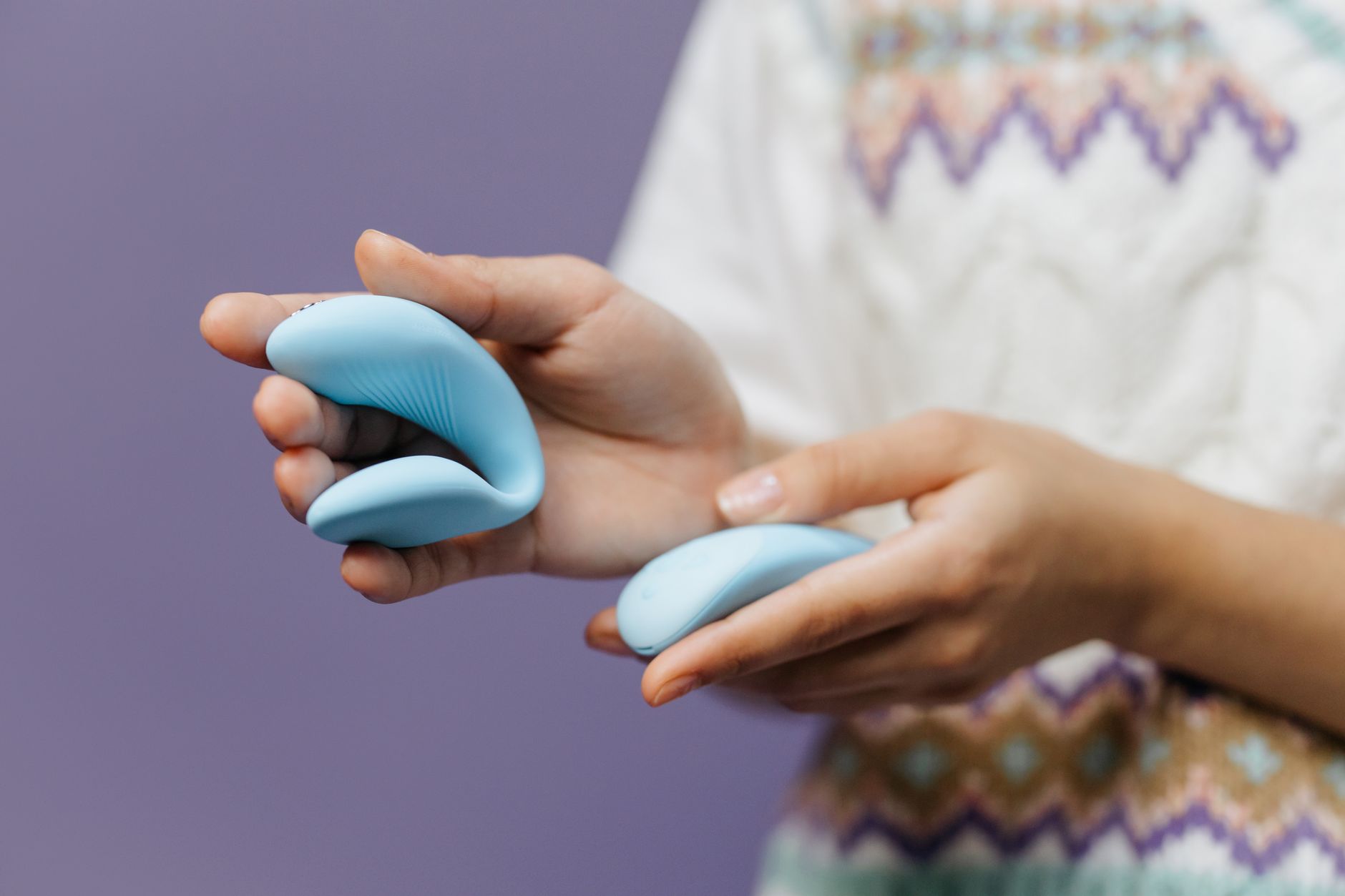
Photo by cottonbro studio on Pexels
How to integrate this into partner sex
If you're using a lemon vibrator in a partnered context, the conversation matters. "I want to try something that helps me feel more" is different from "Nothing you're doing is working." Frame it as exploration, not correction.
Many couples find that using the Lem together actually deepens connection. Your partner can hold it, control the pattern, and watch what brings you pleasure. That attention and feedback loop is itself restorative. They're not being replaced. They're being invited into a more responsive version of you.
The order matters too. Build arousal together first. Once you're already somewhat engaged, introduce the vibrator as an accelerant, not as a starting point. That distinction makes it feel additive instead of compensatory.
The timeline for feeling again
Sensation doesn't snap back overnight. You're rewaking nerve pathways that have been quiet, and that takes time. Most people report noticing a difference within two to four uses, but the real shift, where sensation feels consistently responsive again, usually takes two to three weeks of regular use.
Don't aim for orgasm in those early uses. Aim for sensation. Aim for feeling something different from neutral. Every time you feel a shift or a moment of genuine response, that's your nervous system learning again. That's the win.
Once sensation starts returning, many people find they can transition back to other tools and partners with more success. The numbness often doesn't fully return because the body has remembered what responsiveness feels like.
FAQ: Restoring sensation with lemon vibrators
Can numbness from hormonal changes actually be reversed?
Partially, yes. Hormone therapy (topical estrogen or systemic HRT) can help rebuild tissue thickness over months. But sensation can be partially restored right now, today, using tools designed to bypass the numb outer layers and engage deeper nerve networks. A lemon vibrator works whether or not you're on hormone therapy. They work better together.
Will using a vibrator make numbness worse?
Not if you're using the right kind. High-vibration tools that rely on friction can irritate already-thin tissue and make things feel worse. Suction-based clitoral vibrators like the Lem work differently. They create pressure changes rather than friction-based stimulation, so they won't amplify the problem the way a traditional vibrator might.
How do I know if it's numbness or low desire?
Numbness is a sensation problem. You want to feel pleasure but you literally can't register the sensations you're getting. Low desire is a motivation problem. You don't want sex, and sensation probably feels muted because you're not aroused to begin with. They can overlap, but they're different. A lemon vibrator addresses the numbness piece. If desire is genuinely absent, that's a separate conversation worth having with a therapist or doctor.
Does it matter which lemon vibrator I choose?
The suction mechanism is what does the work, and most air-pulse tools have similar mechanics. The Lem is the original lemon clitoral vibrator and has the most research behind it. If you're starting fresh with numbness, that's a reliable choice. The pattern variations and intensity levels give you room to experiment as sensation returns.
Can I use a lemon vibrator if I'm on antidepressants or birth control?
Yes. Medication-related numbness often responds really well to suction-based stimulation because the issue isn't tissue thinning, it's nerve signal dampening. A vibrator that engages deeper nerve networks can work around the medication effect. The tool itself doesn't interact with your prescriptions.
What if sensation comes back but then disappears again?
That usually means you've shifted back into habits that numb you again. Either the physical stressor (hormones, medication, friction-based partners) is still active, or you've stopped using approaches that were working. Sensation returning isn't a permanent fix unless you maintain the conditions that support it. For some people that's continued vibrator use. For others it's hormone therapy or a shift in how partners approach stimulation. Usually it's a combination.
The path back to feeling
Numbness makes you feel broken. You're not. Your body is responding to real physical changes. The fact that sensation is low doesn't mean it's gone. It means you need a tool and approach designed for your current physiology, not the physiology you had five years ago.
A lemon vibrator, approached thoughtfully with patience and the right setup, works because it bypasses the problem instead of fighting it. You're not forcing friction to work harder. You're engaging the deeper nerve networks that friction can't reach.
Sensation comes back. It takes time and the right conditions. But it comes back. And when it does, pleasure feels like it's been rediscovered rather than just remembered.
Ready to explore what works for your body? Get in touch at /contact if you have questions about which approach might work best for your situation.