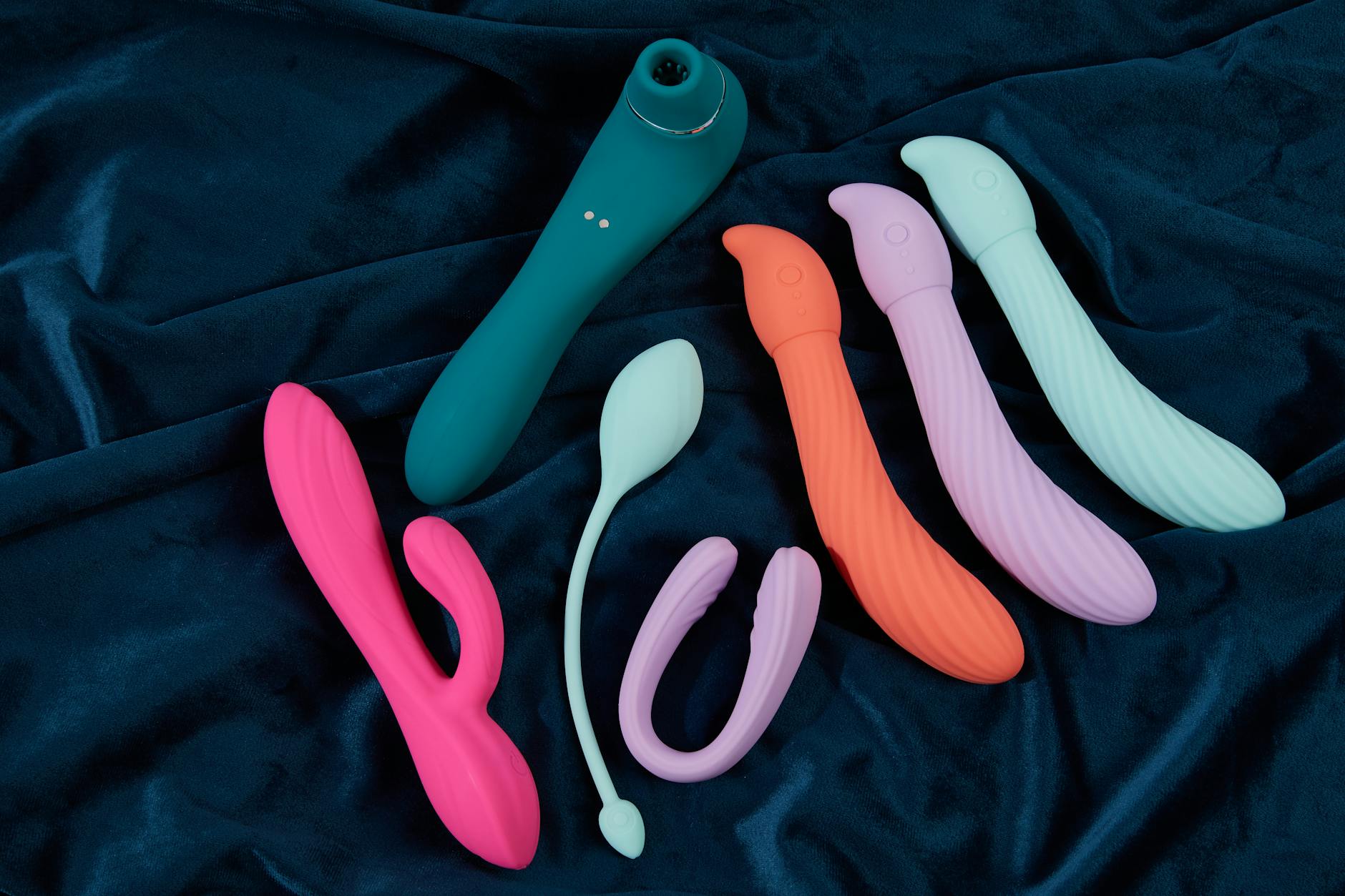
The pressure problem nobody talks about
Let's be real: there's no one-size-fits-all intensity. Your vulva, clitoris, and pelvic floor have their own nervous system wiring, and what feels amazing to someone else might feel either numb or overwhelming to you. The lemon clitoral vibrator's strength matters less than whether it's matched to how your body actually responds.
Here's the thing most people get wrong. They assume more power equals more pleasure. That's like assuming the loudest speaker gives the best sound quality. It doesn't. It just gets annoying faster.
Why pressure settings matter more than you think
Your clitoris has roughly 8,000 nerve endings concentrated in a space smaller than a pea. That's an insane amount of sensation in a tiny area. When you introduce external vibration, you're essentially creating a chain reaction in your nervous system. Too much pressure too fast, and your nerves stop firing cleanly. They overload. Your brain gets the signal and shuts down the response. That's desensitization, and it's frustrating because you feel like something's wrong with you.
Nothing's wrong with you. Your body just needs a different approach.
The lemon vibrator was designed with variable pressure settings specifically because of this. A lemon sucker works by pulsing pressure rather than constant buzzing, which means you can control exactly how much force meets your tissue at any moment. Lower settings give you the stimulation without the numbing effect.
Body type and sensitivity are different things
Here's where most guides get it backwards. They talk about "sensitive vulvas" or "less sensitive vulvas" as if sensitivity is a fixed trait. It's not. Sensitivity changes based on your cycle, your stress levels, medications, whether you've had children, what's happening in your relationships, and honestly, what you had for lunch. Cortisol matters. Sleep matters.
What matters most is your personal pressure threshold. This is the amount of force your nerves need before they start responding. Some people have a low threshold, meaning light touch creates a strong signal. Others need more pressure to wake up the same nerve pathways.
You can't know your threshold until you experiment. And you can't experiment effectively without being intentional about how you're changing variables.
How to find your baseline pressure setting
Start with this framework. You need to map three things: your current sensitivity, what you feel at each lemon vibrator strength level, and whether that feeling is building pleasure or heading toward numbness.
Day one, use the lemon clitoral vibrator at setting 1 or 2. Just one of those settings for the whole session. Don't escalate. Don't mix it with a partner. The point is isolation, not climax. Spend about 10 minutes and notice what you feel. Are your nerve endings waking up? Does it feel like something's happening, or does it feel like nothing? Write this down or just remember it.
Wait two days. Your nervous system needs time to reset between sessions.
Day three, go up one setting. Repeat the same 10-minute exploration. The goal is to feel the difference. Which setting made your body respond faster? Which one made you feel like you were chasing sensation instead of receiving it?
Do this across all settings on your lemon vibrator. You're creating a map of your own pleasure zone.
The sweet spot is usually lower than you think
Most people find their optimal pressure somewhere in the lower-to-middle range of their toy's strength settings. That sounds counterintuitive, but it's consistent across bodies. The lemon sucker's design supports this because it was built for sustained pleasure, not shock sensation.
When you're at the right pressure, a few things happen. You feel steady building, not overwhelming force. Your mind stays present instead of getting distracted by managing the sensation. Orgasms, when they come, feel rounded and continuous instead of sharp and fleeting. You can use the toy for longer without your body hitting a wall.
If you find yourself thinking "I need to skip a setting and go straight to high," that's usually a sign you're already numb. That's the moment to pause and reset. Use setting 1 for a few days. Let your nervous system calm down. Then rebuild slower.
How anatomy actually changes the equation
Vulva anatomy is wildly variable. Some people have a clitoris that sits more internal and protected. Others have one that's more exposed. External hood size, labial structure, even the angle of the pubic bone changes how sensation travels.
Why does this matter for pressure settings? Because the more internal your clitoris is anatomically, the more pressure you might need to reach it. The more external, the less. This isn't about sensitivity. It's about geometry.
Your first lemon clitoral vibrator session will tell you something important about your own anatomy. If setting 1 feels pleasant but you're wondering if anything's actually happening, you might have a more internal structure. If setting 2 already feels like a lot, you're probably more external.
There's no right answer. You're just gathering information about your own body so you can stop guessing.
When to use higher settings intentionally
Lower pressure is usually your go-to. But there are moments when higher settings make sense.
If you've been using the same setting for a month and you notice you're not building the same way, it might be time to shift. Not because something's wrong, but because your nervous system adapts. You've trained those nerve pathways to respond to that specific input. Changing the stimulus wakes them back up.
If you're already very aroused (like, you've been with a partner for a while or you've been thinking about something for hours), you might jump straight to a higher setting because your nervous system is already primed. That works. Your baseline shifts when you're already activated.
If you're using the toy with a partner and you want to show them what feels good, sometimes you need slightly higher pressure to be obvious enough that they can see your body's response and adjust their touch accordingly.
The key is intentionality. You're changing settings for a reason, not just turning up the knob because you think you "should" want more.
Building intensity without numbing
Here's where people mess up the most. They think intensity means "high pressure." It doesn't. Intensity means sustained engagement building toward something. You can create that with lower pressure if you understand the technique.
Start at a lower setting and stay there for several minutes. Let your body respond. Once you feel engaged, introduce micro-changes. Move the toy slightly. Shift your angle by half an inch. Pause for five seconds, then resume. These micro-variations create stimulus novelty without jumping the pressure.
Only escalate pressure if you genuinely feel like the current setting has stopped building. Not because you're impatient. Not because you think you "should" want more. Only when your actual sensation plateaus.
This is why the lemon vibrator works better for most people than older vibrator designs. The pulsing action gives you built-in variation even at the same pressure level. Your nerve endings don't get as bored.
The role of lubrication in pressure perception
Lubrication isn't just about comfort. It changes how you perceive pressure. Water-based lube makes tissue glide more easily, which means the vibrations transfer more efficiently. You often need less pressure to feel the same effect. That's why water-based lubricant works best with lemon vibrators. It's not a marketing thing. It's physics.
Without lube, you need more pressure to move the tissue. With lube, less pressure does more. If you've been using a lemon clitoral vibrator dry or with silicone lube, switching to water-based might mean you can drop a pressure setting and feel more pleasure. That's a good discovery.
When pressure settings signal a deeper issue
If you find yourself needing the highest setting consistently and still not feeling much, something else might be happening. Stress, depression, anxiety, unresolved trauma, or relationship tension can all genuinely change your nervous system's response. So can medications. So can old beliefs about your body being "broken."
This isn't a toy problem. It's a whole-system problem. That's when talking to a therapist or a healthcare provider makes sense. I've worked with plenty of clients who bought a better toy and it didn't help because the actual issue was in their nervous system's overall state, not the toy's pressure.
If you're stuck, that's not a failure. That's information.
FAQ
What if I feel nothing even on the highest lemon vibrator setting?
First, check your lubrication and make sure you're using water-based. Second, make sure you're not numb from overuse. Take a week off and reset. Third, make sure the toy is making full contact with your clitoris, not just your external tissue. If nothing changes, this isn't about the toy. Talk to someone who understands sexual health.
Can I damage my clitoris by using too much pressure?
Not from normal vibration. Your clitoris is made of erectile tissue, and vibration doesn't cause tissue damage the way blunt force does. What can happen is temporary numbness from overuse. That's not damage. That's just your nervous system saying "okay, I need a break." Take one. Use lower pressure for a while. It resets.
Is it normal for pressure preferences to change month to month?
Completely. Your cycle, stress, relationship status, sleep, exercise, and just life all change how your nervous system responds. The pressure that felt perfect last month might feel off this month. That's not a problem. That's why your lemon vibrator has settings. Use them.
How do I know if I'm desensitized or just not in the mood?
Desensitization feels like numbness even when you're genuinely aroused. You're turned on. Your body's responding. But the sensation feels muted. Not being in the mood feels like disinterest. You don't want to be touched. Those are completely different things. If you're numb but interested, lower your pressure and take a break between sessions. If you're just not interested, that's probably not a toy problem.
Should I use the same pressure setting with a partner as I do alone?
Often not. When someone else is touching you, the sensation is already more stimulating because there's skin contact and responsiveness. You might need lower pressure from the toy. You also might want higher pressure because the two sensations together feel different. Experiment with your partner present and communicate what you're feeling.
Can I switch pressure mid-session?
Yes, and it can feel amazing. Some people like to start low, build intensity slowly, and escalate pressure as they approach climax. Others like to stay at one setting and let their body do the work. There's no right way. Do what your body wants in that moment.
The real conversation about pressure
Choosing the right lemon vibrator pressure setting isn't about being broken or needing to "work up to" higher intensities. It's about understanding your own nervous system well enough to give it what it actually needs. Your lemon clitoral vibrator is a tool. You're the expert on how the tool should be used.
Start low. Pay attention. Adjust slowly. There's no rush. The pleasure is in the exploration, not in proving you can handle the highest setting. Your body will tell you what works if you listen to it.